
📊 Last High Low Stop Loss Indicator – The Ultimate Smart Trading Tool for Powerful Risk Control



The Last High Low Stop Loss Indicator is one of the most practical and powerful tools traders use to manage risk in financial markets. Whether you’re trading stocks, forex, crypto, or commodities, controlling losses is just as important as making profits. This indicator helps traders set stop-loss levels based on recent market highs and lows, making risk management more structured and logical.
If you’ve ever wondered where to place your stop loss without guessing, this guide will walk you through everything you need to know.
📌 What Is the Last High Low Stop Loss Indicator?

4
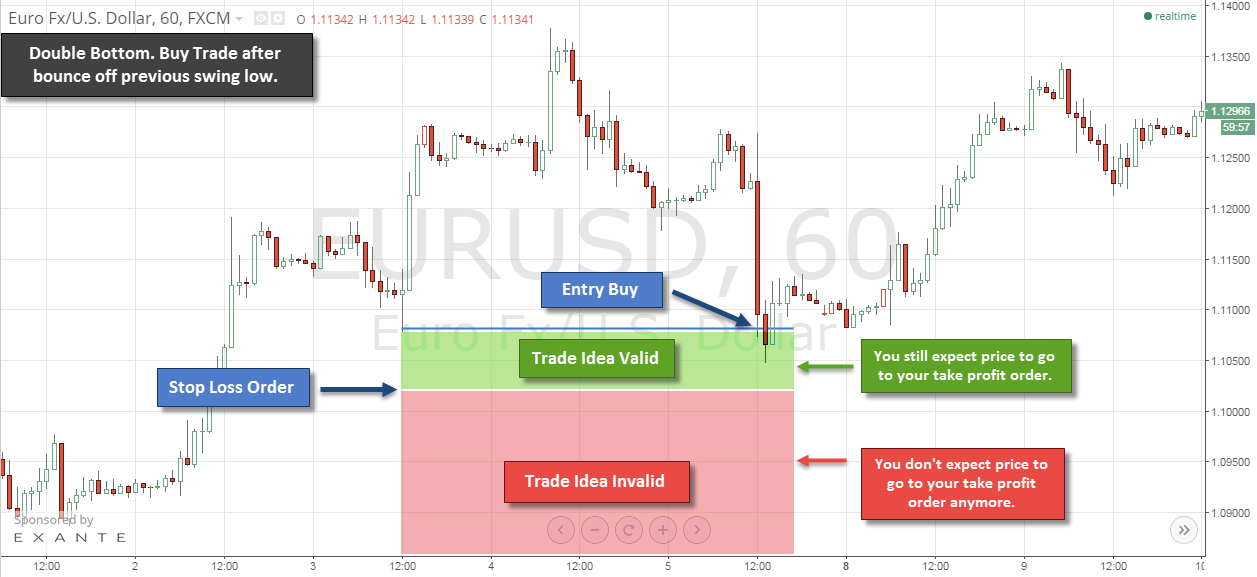
The Last High Low Stop Loss Indicator is a technical analysis tool that places stop-loss levels at the most recent swing high or swing low on a price chart.
In simple terms:
- For buy trades → Stop loss is placed below the last swing low.
- For sell trades → Stop loss is placed above the last swing high.
This method follows natural market structure instead of random pip distances or fixed percentages.
🔎 Why It Matters
Markets move in waves:
- Higher highs and higher lows (uptrend)
- Lower highs and lower lows (downtrend)
This indicator uses that structure to determine logical exit points.

📈 How the Last High Low Stop Loss Indicator Works
The indicator scans recent price movements and identifies:
- The most recent confirmed swing high
- The most recent confirmed swing low
These levels act as natural support and resistance zones.
🟢 In an Uptrend
If price makes higher highs and higher lows:
- Entry happens after confirmation.
- Stop loss is placed below the most recent higher low.
This protects the trade while allowing room for price fluctuations.
🔴 In a Downtrend
If price makes lower highs and lower lows:
- Entry happens after confirmation.
- Stop loss is placed above the most recent lower high.
It ensures you’re exiting only when the structure breaks.
🎯 Benefits of Using the Last High Low Stop Loss Indicator
1️⃣ Logical Risk Management
No guesswork. You’re placing stops where market structure breaks.
2️⃣ Adapts to Volatility
Unlike fixed stops, this method adjusts automatically based on price swings.
3️⃣ Improves Risk-Reward Ratio
Because entries are based on structure, traders can better calculate risk versus potential reward.
4️⃣ Works on All Markets
You can use it on:
- Forex pairs
- Stocks
- Cryptocurrency
- Indices
- Commodities
⚙️ How to Set Up the Last High Low Stop Loss Indicator


4
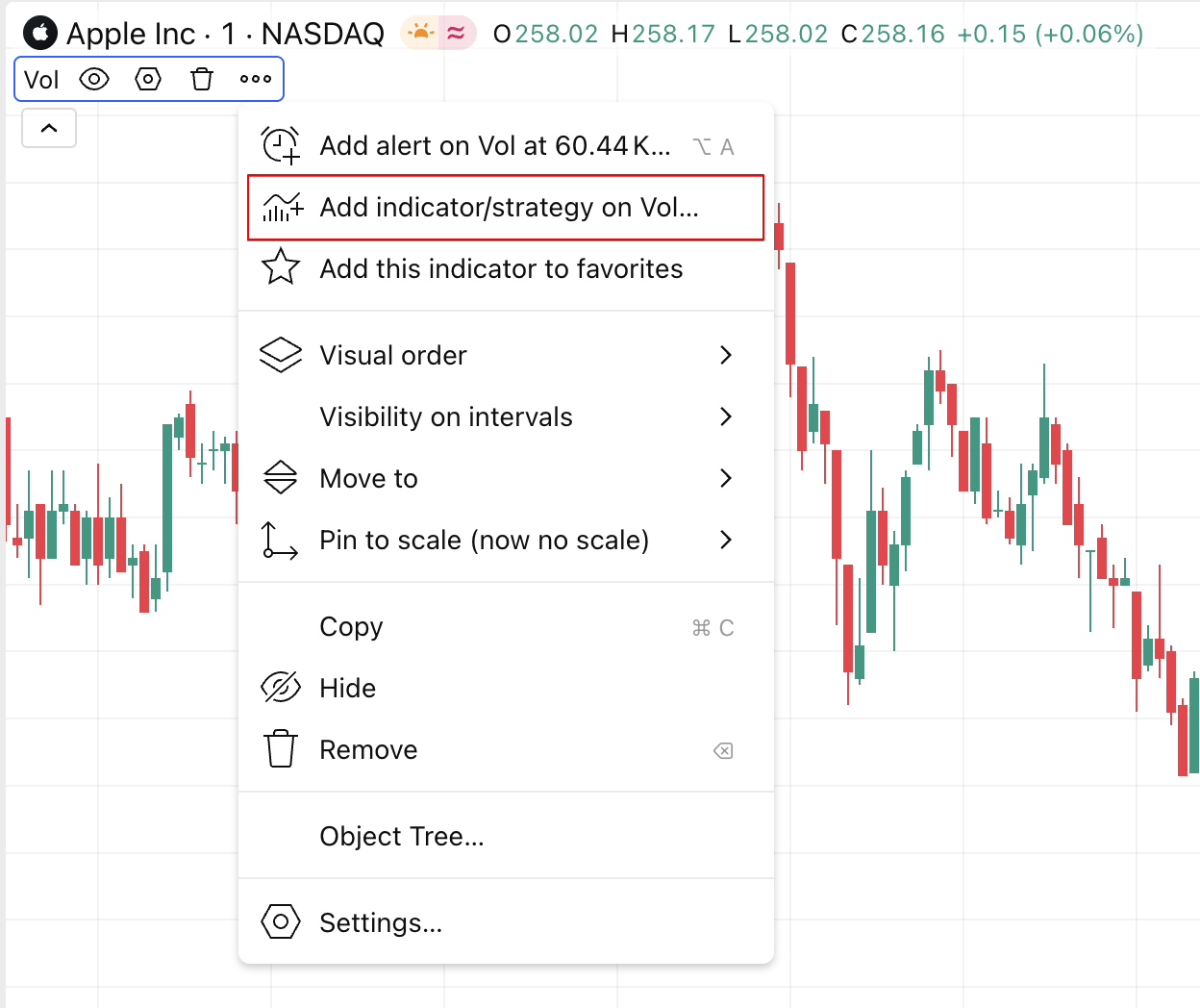
Most trading platforms support swing high/low tools or allow custom indicators.
Popular platforms include:

- MetaTrader 4
- MetaTrader 5
- TradingView
Setup Steps:
- Open your trading platform.
- Add a swing high/low indicator or market structure tool.
- Identify the most recent high or low.
- Place your stop loss just beyond that level.
- Adjust position size based on risk tolerance.
For deeper technical learning, you can explore educational resources like Investopedia.
📊 Example of a Trade Using Last High Low Stop Loss Indicator
Let’s imagine you’re trading EUR/USD:
- The market forms a higher low at 1.0850.
- You enter a buy trade at 1.0880.
- Stop loss is placed slightly below 1.0850.
If price breaks below that low, the uptrend structure is invalidated. That’s your exit signal.
This method keeps your losses controlled and logical.
🔍 Best Timeframes to Use This Indicator
The Last High Low Stop Loss Indicator works across multiple timeframes:
| Timeframe | Suitable For | Risk Level |
|---|---|---|
| 1M – 15M | Scalping | High |
| 1H – 4H | Day Trading | Moderate |
| Daily | Swing Trading | Lower |
| Weekly | Position Trading | Low |
Higher timeframes generally provide stronger structural levels.
🚨 Common Mistakes to Avoid
❌ Placing Stop Too Tight
Markets often retest highs and lows. Give some breathing room.
❌ Ignoring Market Volatility
During high-impact news events, swings may be exaggerated.
❌ Not Adjusting Position Size
Risk percentage should remain consistent per trade.
❌ Using It Without Trend Confirmation
Always confirm trend direction before relying on swing levels.
🧠 Advanced Strategy: Trailing Stop with Market Structure
Instead of a fixed stop:
- Move stop loss to each new higher low (in uptrend).
- Move stop loss to each new lower high (in downtrend).
This locks in profits while allowing trends to run.
This technique is widely used by professional traders.

💡 Is the Last High Low Stop Loss Indicator Good for Beginners?
Absolutely.
It teaches:
- Market structure
- Trend identification
- Risk discipline
- Logical exits
However, beginners should practice on demo accounts before live trading.
📚 Frequently Asked Questions (FAQs)
1. Is the Last High Low Stop Loss Indicator accurate?
Yes, when used with proper trend analysis. It reflects real market structure rather than random stop placement.
2. Can it be automated?
Yes. Many platforms allow automated scripts or Expert Advisors to implement this method.
3. Does it work in sideways markets?
It’s less effective in choppy markets because swing highs and lows frequently break.
4. How much risk should I use per trade?
Most professionals risk 1–2% of account balance per trade.
5. Is this better than ATR-based stop loss?
It depends. ATR adapts to volatility, while this indicator adapts to structure. Some traders combine both.
6. Can I combine it with other indicators?
Yes. It works well with:
- Moving Averages
- RSI
- MACD
- Support and Resistance zones
🏁 Conclusion
The Last High Low Stop Loss Indicator is a simple yet powerful risk management tool. By aligning your stop loss with real market structure, you trade smarter—not harder. It removes emotional decisions and replaces them with logic.
If you’re serious about improving consistency, this method can dramatically enhance your trading discipline.
Most Popular Forex EA

Onix Stratos XAUUSD EA: AI Smart Scalper for MT5
In stock
$0.00 $999.99Price range: $0.00 through $999.99
Elysium Vortex EURCAD EA: AI EURCAD Scalper for MT5
In stock
$0.00 $199.99Price range: $0.00 through $199.99
Equinox Cosmos GBPJPY EA: AI GBPJPY Scalper for MT5
In stock
$0.00 $399.99Price range: $0.00 through $399.99
Apex Quant BTCUSD EA: AI Bitcoin Scalper for MT5
In stock
$0.00 $159.99Price range: $0.00 through $159.99
Zenith Matrix XAUUSD EA: AI Gold Scalper for MT5
In stock
$0.00 $899.99Price range: $0.00 through $899.99
Nexora Manus XAUUSD EA: AI Gold Scalper for MT5
In stock
$0.00 $699.99Price range: $0.00 through $699.99
Mythos Epic XAUUSD EA: AI Gold Scalper for MT5
In stock
$0.00 $849.99Price range: $0.00 through $849.99
Obsidian Aether EURUSD EA: AI Grid Scalper for MT5
In stock
$0.00 $797.99Price range: $0.00 through $797.99
AVA AIGPT5 XAUUSD EA: AI Gold Scalper for MT4
In stock
$0.00 $679.99Price range: $0.00 through $679.99

Golden Deer Holy Grail Indicator (Lifetime Premium)
In stock
Original price was: $109.99.$87.99Current price is: $87.99.
Windows VPS for MT4 & MT5
In stock
$44.99 $359.99Price range: $44.99 through $359.99




 Gold Forex EA