
What Is a Forex Trading Plan?



A lot of new traders wonder what is a forex trading plan and whether they really need one. The truth is, a trading plan is the backbone of long-term success in the forex market. Without a clear set of rules, it’s easy to get caught up in emotions, make impulsive decisions, or take unnecessary risks. That’s why experienced traders rely on a written plan to guide every move they make in the market.
In this detailed guide, you’ll learn what a forex trading plan is, how it works, why it matters, and how to build one that fits your unique trading style.
Understanding What Is a Forex Trading Plan and Why It Matters
A forex trading plan is a structured document that outlines exactly how you trade, when you trade, why you trade, and what rules you follow. Think of it as your personal roadmap for navigating the forex market.
A solid trading plan helps you:
- Stay disciplined
- Avoid emotional trading
- Manage risk effectively
- Build consistency
- Track and measure results
It’s not enough to rely on gut feelings or hope. A trading plan gives you a structured process you can repeat day after day.
Core Purpose of a Forex Trading Plan
At its heart, a forex trading plan is meant to:
- Provide clarity in volatile conditions
- Reduce hesitation and worry
- Ensure consistent decision-making
- Protect your capital
When you know what to do in every situation, you eliminate guesswork and trade with confidence.

Benefits of Using a Formal Trading Plan
Here are the biggest advantages:
- Improved discipline: You follow rules, not emotions.
- Better risk control: Limits reduce big losses.
- Higher consistency: Repeating your best setups leads to better outcomes.
- Clear review process: You know what to fix and what to repeat.
A trading plan keeps you grounded and focused on long-term success.
Key Components of a Forex Trading Plan
A strong plan includes several important elements that guide your entire approach.
Trading Goals & Timelines
Your goals should be:
- Specific
- Measurable
- Realistic
- Time-bound
Examples:
- Earn 3–5% per month
- Risk no more than 1% per trade
- Trade only during London and New York sessions
Market Analysis Approach
Most traders use one or a combination of three approaches:
- Technical analysis – reading price charts
- Fundamental analysis – studying economic news
- Sentiment analysis – understanding market mood
Technical Indicators to Include
Some popular tools:
- Moving Averages
- RSI
- MACD
- Support & resistance zones
These help you spot trends, reversals, and momentum.
Fundamental Factors to Track
Examples:
- Interest rate decisions
- Inflation and GDP reports
- Employment data
You can use websites like Investing.com or ForexFactory’s economic calendar to stay updated.
Entry & Exit Rules
Clear rules stop impulsive decisions.
Trade Setup Criteria
You might require:
- Trend confirmation
- Candlestick pattern
- RSI divergence
- Break-and-retest setup
These rules help you avoid low-quality trades.

Take-Profit & Stop-Loss Placement
A proper trading plan explains:
- How you set stop-loss
- How you determine profit targets
- Whether you trail stops or set fixed levels
Risk Management Rules
This is one of the most important parts of understanding what is a forex trading plan.
Rules often include:
- Maximum risk per trade (usually 0.5–2%)
- Maximum open trades
- Leverage limits
- Daily loss limit
Position Sizing Method
You can size positions using:
- % of account balance
- ATR volatility
- Fixed fractional method
Maximum Daily/Weekly Risk Limits
This keeps you from blowing your account due to bad trading days.
Trade Management Processes
Trade management includes:
- Moving stop-loss to break-even
- Scaling in or out
- Adjusting targets based on market structure
How to Build What Is a Forex Trading Plan (Step-by-Step)
Let’s walk through how you can build a complete trading plan from scratch.
Step 1: Define Your Trading Style
Are you a:
- Scalper?
- Day trader?
- Swing trader?
- Position trader?
Your style determines your timeframes, trade frequency, and risk levels.
Step 2: Create a Strategy Playbook
Write down your best, most repeatable setups with examples.
Step 3: Add Risk & Money Management Rules
These protect your capital and help you grow consistently.
Step 4: Develop a Trading Routine
You should include:
- Pre-market checklist
- Active trading hours
- Post-trade review process
Step 5: Test Your Plan Through Backtesting
Backtesting on TradingView or MT4 shows whether your strategy has an edge.

Step 6: Forward Test With a Demo Account
Once backtested, test your plan in real time.
Common Mistakes Traders Make When Building a Forex Trading Plan
These mistakes can cripple your progress:
Lack of Clear Rules
Vague rules lead to confusion and emotional trades.
Ignoring Risk Management
Even the best strategy fails without strict risk control.
Constantly Changing the Plan
A plan must be stable, not rewritten every time you lose.
Real Examples of a Forex Trading Plan
Here are short sample plans.
Example for Day Traders
- Trade during London session
- Use EMA + RSI strategy
- Risk 1% per trade
- Stop trading after 2 losses
Example for Swing Traders
- Focus on daily and 4H charts
- Enter on break-and-retest setups
- Risk 0.5%–1%
- Hold positions for days or weeks
Useful Tools for Creating a Forex Trading Plan
Tools that help make your plan clearer and more effective.
Charting Platforms
- TradingView
- MT4/MT5
Economic Calendars
These show upcoming news events.
Journaling Software
Keeping a journal helps you refine your strategy.
FAQs About What Is a Forex Trading Plan
- Why do I need a forex trading plan?
It helps you stay disciplined and consistent. - Can beginners make a trading plan?
Yes — beginners benefit the most. - How often should I update my plan?
Only after multiple trades show a pattern. - Is a trading plan the same as a strategy?
No. A strategy is just one part of the plan. - Can I trade without a plan?
You can, but it often leads to inconsistent results. - What should my risk limit be?
Most traders risk 1% or less per trade.
Conclusion
Now you fully understand what is a forex trading plan, how it works, why it’s essential, and how to build one customized to your style. A trading plan gives you structure, discipline, and a clear process — all crucial skills for long-term success in forex trading.
If you commit to following your plan every day, your confidence and results will grow steadily.
Most Popular Forex EA

Onix Stratos XAUUSD EA: AI Smart Scalper for MT5
In stock
$0.00 $999.99Price range: $0.00 through $999.99

Elysium Vortex EURCAD EA: AI EURCAD Scalper for MT5
In stock
$0.00 $199.99Price range: $0.00 through $199.99
Equinox Cosmos GBPJPY EA: AI GBPJPY Scalper for MT5
In stock
$0.00 $399.99Price range: $0.00 through $399.99
Apex Quant BTCUSD EA: AI Bitcoin Scalper for MT5
In stock
$0.00 $159.99Price range: $0.00 through $159.99
Zenith Matrix XAUUSD EA: AI Gold Scalper for MT5
In stock
$0.00 $899.99Price range: $0.00 through $899.99
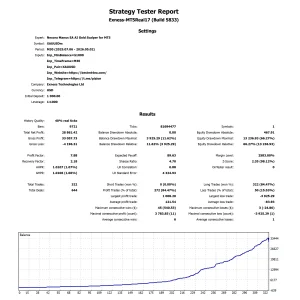
Nexora Manus XAUUSD EA: AI Gold Scalper for MT5
In stock
$0.00 $699.99Price range: $0.00 through $699.99
Mythos Epic XAUUSD EA: AI Gold Scalper for MT5
In stock
$0.00 $849.99Price range: $0.00 through $849.99

Obsidian Aether EURUSD EA: AI Grid Scalper for MT5
In stock
$0.00 $797.99Price range: $0.00 through $797.99

AVA AIGPT5 XAUUSD EA: AI Gold Scalper for MT4
In stock
$0.00 $679.99Price range: $0.00 through $679.99


Golden Deer Holy Grail Indicator (Lifetime Premium)
In stock
Original price was: $109.99.$87.99Current price is: $87.99.

Powerful Forex VPS for MT4 & MT5 – Best Price
In stock
$44.99 $359.99Price range: $44.99 through $359.99



 Gold Forex EA