
Adaptive Volatility Trend Indicator: Review & Trading Benefits



Introduction to Adaptive Volatility Trend by WillyAlgoTrader Forex Indicator Reviews
The Adaptive Volatility Trend by WillyAlgoTrader Forex Indicator Reviews have gained attention among traders looking for a smarter way to follow trends in the Forex market. In today’s fast-moving environment, volatility can change in seconds. That’s why traders need tools that adapt in real time rather than lag behind price action.
This indicator claims to adjust automatically to market volatility and filter out market noise. But does it really deliver?
Let’s explore how it works, its key features, and whether it’s worth adding to your trading toolbox.
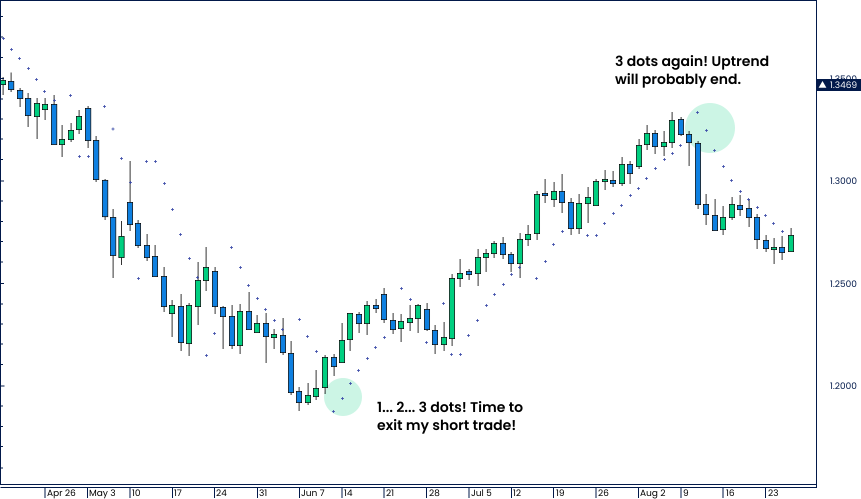
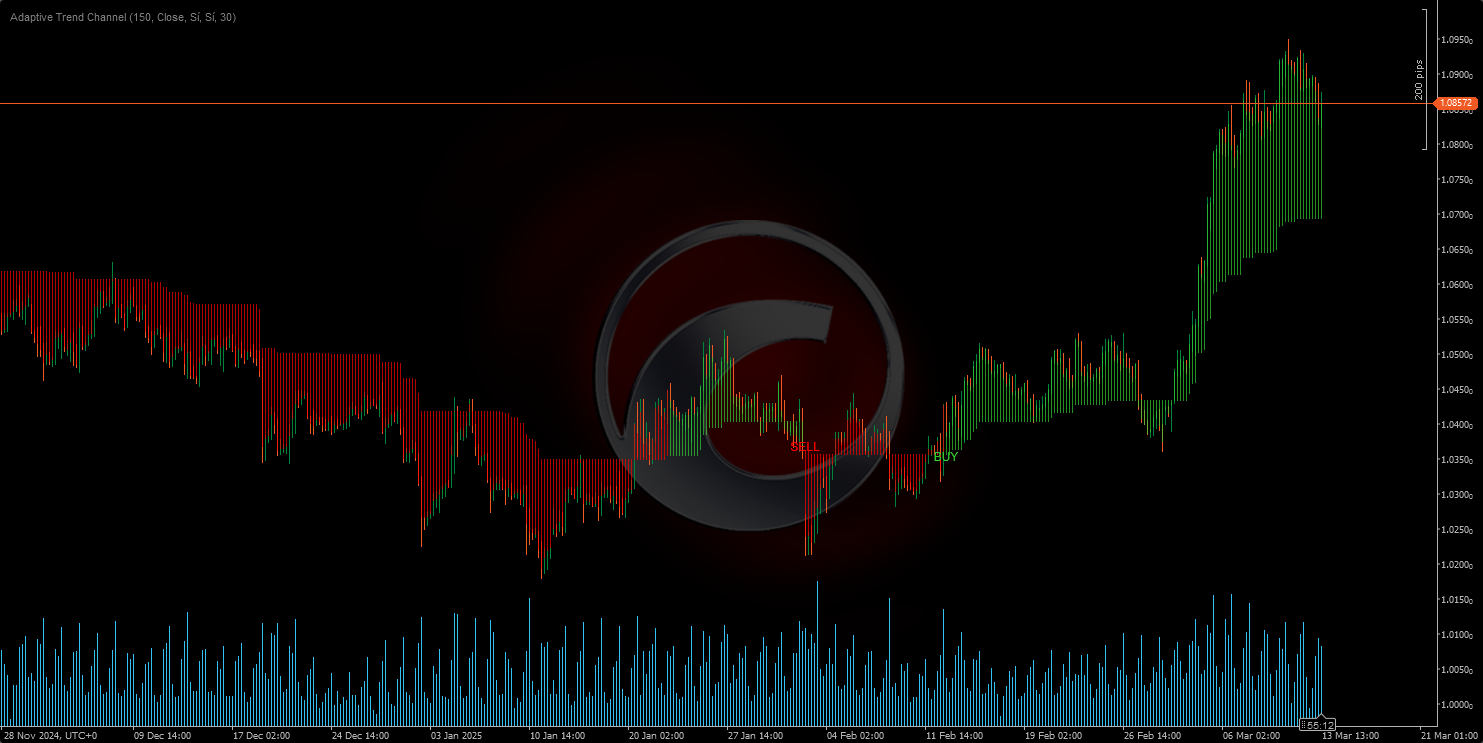

4
What Is an Adaptive Volatility Indicator?
An adaptive volatility indicator adjusts its calculations based on changing market conditions. Unlike traditional moving averages that use fixed parameters, adaptive systems respond dynamically to price movement speed and volatility spikes.
In simple terms, when the market becomes more volatile, the indicator reacts faster. When the market slows down, it smooths out.
This approach helps traders:
- Avoid late entries
- Reduce whipsaws
- Capture stronger trend moves
Who Is WillyAlgoTrader?
WillyAlgoTrader is known in the online trading community for developing algorithm-based trading tools. Their focus is on automation, precision, and volatility-based systems designed to simplify decision-making.
While detailed public company data may be limited, many traders have reported using their indicators on platforms like MetaQuotes Software (developer of MetaTrader platforms) and TradingView.
How the Adaptive Volatility Trend Indicator Works
Core Algorithm and Volatility Calculation
The Adaptive Volatility Trend indicator analyzes:
- Price momentum
- Average True Range (ATR)
- Market volatility shifts
- Trend strength
It modifies its smoothing mechanism based on real-time data. This allows it to tighten during strong trends and widen during consolidation phases.
Trend Detection Mechanism
The system uses dynamic bands or trend lines that shift color depending on:
- Bullish conditions
- Bearish conditions
- Neutral or sideways market
This visual simplicity makes it beginner-friendly.
Signal Generation and Alerts
Signals typically appear as:
- Color changes
- Arrows
- Breakout signals
- Push notifications (if supported by platform)
These alerts aim to reduce screen time and improve trade timing.
Key Features of Adaptive Volatility Trend Indicator
Dynamic Trend Bands
Instead of static moving averages, the indicator creates flexible trend zones. These bands contract and expand with volatility.
Multi-Timeframe Compatibility
Traders can use it on:
- 1-minute charts
- 15-minute charts
- 1-hour charts
- Daily charts
This flexibility supports scalpers, day traders, and swing traders alike.
Customizable Settings
Most versions allow users to adjust:
- Sensitivity
- Volatility multiplier
- Alert type
- Color scheme
Customization helps match different trading styles.
Benefits of Using Adaptive Volatility Trend
Improved Entry Timing
Because it adapts to volatility, entries often occur closer to the beginning of a trend rather than after large moves.
Reduced False Breakouts
In ranging markets, traditional indicators often trigger multiple false signals. Adaptive filtering attempts to minimize this issue.

Enhanced Risk Management
Traders can use the dynamic bands as:
- Stop-loss placement guides
- Trailing stop references
- Take-profit levels
This structure improves discipline and consistency.
Installation Guide and Platform Compatibility
Installation on MetaTrader Platforms
For MT4 or MT5 users:
- Download the indicator file (.ex4 or .ex5).
- Open MetaTrader platform.
- Navigate to “File → Open Data Folder.”
- Place the file in the “Indicators” folder.
- Restart the platform.
The indicator should appear in the Navigator panel.
TradingView Integration
If available on TradingView:
- Search the indicator name in the Public Library.
- Add to chart.
- Adjust settings as needed.
Always verify you are downloading from a trusted source.
Real Trading Performance Analysis
Backtesting Results
Backtesting typically shows better results in:
- Trending currency pairs (EUR/USD, GBP/USD)
- High-volatility sessions (London & New York overlap)
However, like all indicators, performance depends on strategy, risk management, and market conditions.
Live Market Observations
In live trading environments, users report:
- Clear visual trend identification
- Smooth transitions during volatility spikes
- Fewer rapid signal flips compared to basic moving averages
Still, no indicator guarantees profit. Proper risk management remains essential.
Pros and Cons
Pros
- Adaptive volatility response
- Beginner-friendly visual signals
- Customizable settings
- Multi-timeframe usability
Cons
- May lag during sudden news events
- Requires optimization for best performance
- Not a standalone trading system
Strategy Ideas Using Adaptive Volatility Trend


4
Trend-Following Strategy
- Wait for color change confirmation.
- Confirm higher timeframe trend direction.
- Enter on minor pullback.
- Place stop below adaptive band.
- Trail stop along band.
This method works well in trending markets.
Breakout Strategy
- Identify consolidation zone.
- Wait for volatility expansion signal.
- Enter after confirmed breakout candle close.
- Set stop inside previous range.
Volatility expansion often signals strong momentum.
Adaptive Volatility Trend by WillyAlgoTrader Forex Indicator Reviews: User Feedback
Many traders describe the indicator as:

- Reliable during trending sessions
- Visually clean and easy to interpret
- Helpful in reducing emotional trading
However, experienced traders emphasize combining it with:
- Price action analysis
- Support and resistance levels
- Fundamental awareness
For more about volatility-based trading, you can review educational resources at BabyPips (Indicator).
Frequently Asked Questions
1. Is Adaptive Volatility Trend suitable for beginners?
Yes, due to its visual clarity and color-based signals.
2. Does it repaint?
Most adaptive volatility systems are designed not to repaint, but always test on demo first.
3. What timeframes work best?
1-hour and 4-hour charts often provide balanced signals.
4. Can it be used for scalping?
Yes, but sensitivity settings may require adjustment.
5. Is it better than moving averages?
It adapts to volatility, which can offer advantages over fixed moving averages.
6. Can it be used alone?
It’s better combined with confirmation tools.
Conclusion
The Adaptive Volatility Trend by WillyAlgoTrader Forex Indicator Reviews show that this tool offers meaningful advantages for traders who value adaptability and volatility awareness. Its ability to adjust dynamically makes it appealing in today’s fast-moving Forex markets.
However, it’s not magic. Like any trading tool, success depends on:
- Strategy
- Risk management
- Market understanding
- Emotional discipline
If used correctly, it can become a powerful addition to your trading system.
Most Popular Forex EA
Onix Stratos XAUUSD EA: AI Smart Scalper for MT5
In stock
$0.00 $999.99Price range: $0.00 through $999.99
Elysium Vortex EURCAD EA: AI EURCAD Scalper for MT5
In stock
$0.00 $199.99Price range: $0.00 through $199.99
Equinox Cosmos GBPJPY EA: AI GBPJPY Scalper for MT5
In stock
$0.00 $399.99Price range: $0.00 through $399.99
Apex Quant BTCUSD EA: AI Bitcoin Scalper for MT5
In stock
$0.00 $159.99Price range: $0.00 through $159.99
Zenith Matrix XAUUSD EA: AI Gold Scalper for MT5
In stock
$0.00 $899.99Price range: $0.00 through $899.99
Nexora Manus XAUUSD EA: AI Gold Scalper for MT5
In stock
$0.00 $699.99Price range: $0.00 through $699.99
Mythos Epic XAUUSD EA: AI Gold Scalper for MT5
In stock
$0.00 $849.99Price range: $0.00 through $849.99
Obsidian Aether EURUSD EA: AI Grid Scalper for MT5
In stock
$0.00 $797.99Price range: $0.00 through $797.99
AVA AIGPT5 XAUUSD EA: AI Gold Scalper for MT4
In stock
$0.00 $679.99Price range: $0.00 through $679.99

Golden Deer Holy Grail Indicator (Lifetime Premium)
In stock
Original price was: $109.99.$87.99Current price is: $87.99.
Windows VPS for MT4 & MT5
In stock
$44.99 $359.99Price range: $44.99 through $359.99



 Gold Forex EA