
PWR NASDAQ EA Review: Performance & Settings



Introduction to Private wealth Robot [PWR NASDAQ] EA
Private wealth Robot [PWR NASDAQ] EA has gained attention among traders looking for automation in the NASDAQ market. In today’s fast-moving financial world, automated trading systems—commonly known as Expert Advisors (EAs)—are becoming more popular than ever. But what exactly is this EA, and is it worth your time and investment?
In simple terms, Private wealth Robot [PWR NASDAQ] EA is an automated trading system designed to execute trades on NASDAQ-related instruments without constant manual supervision. It uses algorithmic logic to identify opportunities and place trades based on predefined rules.
In this guide, we’ll explore how it works, its strategy, risks, benefits, and whether it fits your trading style.
📊 Understanding NASDAQ Trading Environment


4
📈 What Is NASDAQ?
The NASDAQ (National Association of Securities Dealers Automated Quotations) is one of the largest stock exchanges in the world. It is heavily technology-focused and includes companies like Apple, Microsoft, Amazon, and Tesla.
🔍 Why NASDAQ Is Popular for Automated Trading
NASDAQ is known for:
- High liquidity
- Strong volatility
- Rapid price movements
- Clear technical patterns
These characteristics make it attractive for algorithmic trading systems such as Private wealth Robot [PWR NASDAQ] EA.
Volatility means more opportunity—but also more risk. That’s where a structured EA can potentially help.
🤖 What Is an Expert Advisor (EA)?
Before diving deeper into Private wealth Robot [PWR NASDAQ] EA, it’s important to understand what an Expert Advisor actually is.
An EA is software that runs on trading platforms like MetaTrader. It:
- Analyzes price charts
- Applies technical indicators
- Opens and closes trades automatically
- Manages risk based on coded rules
Think of it as a robot trader that works 24/7 without emotions.
⚙️ How Private wealth Robot [PWR NASDAQ] EA Works
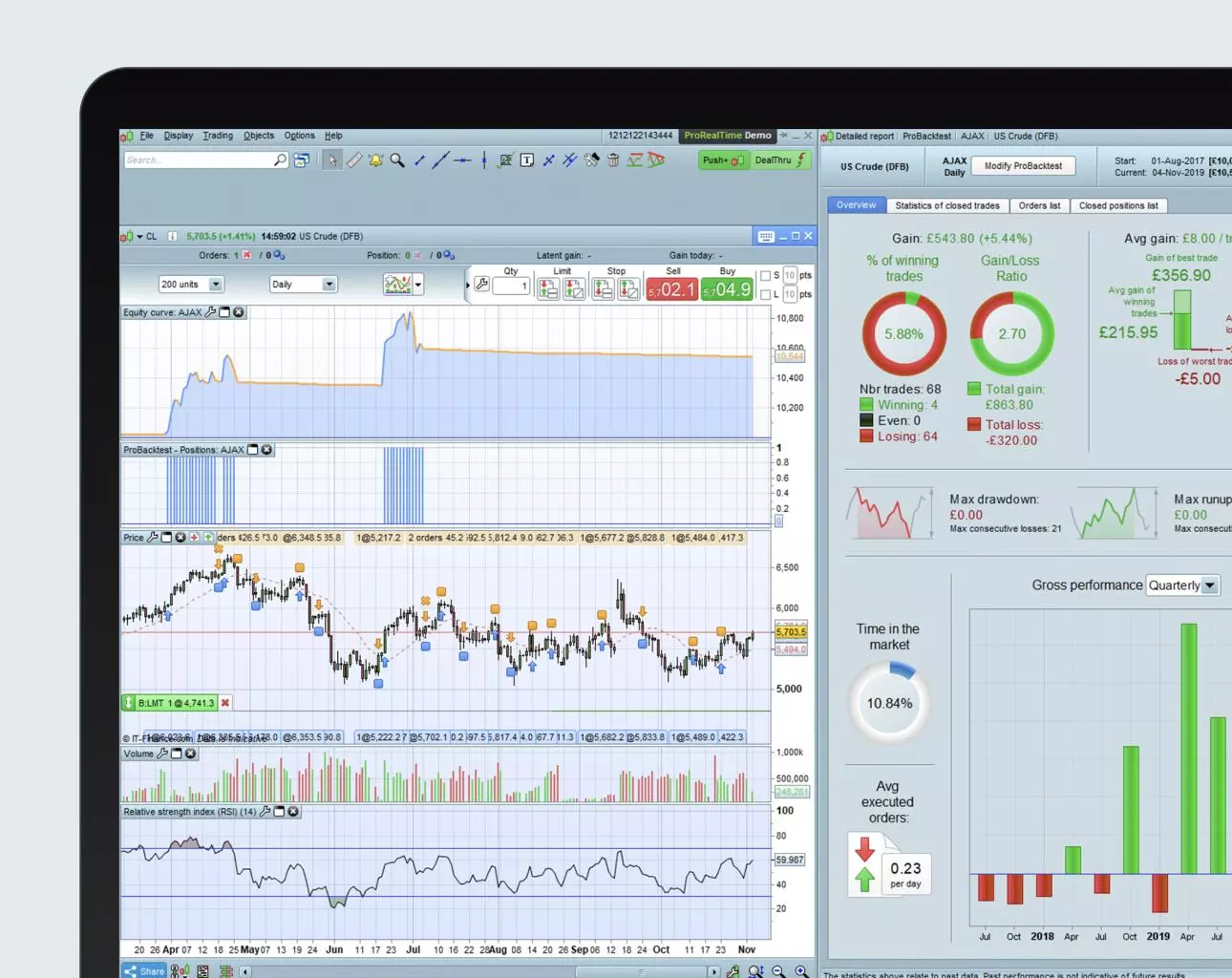


4
🧠 Core Strategy Logic
Private wealth Robot [PWR NASDAQ] EA typically operates using:
- Technical indicators (moving averages, RSI, etc.)
- Volatility filters
- Time-based entry logic
- Stop-loss and take-profit rules
It may use trend-following, scalping, or breakout strategies depending on its design.
🛡 Risk Management Features
Strong EAs include:
- Fixed or dynamic lot sizing
- Stop-loss protection
- Maximum drawdown controls
- News filter options
Risk control is the backbone of any sustainable trading strategy.
💡 Key Benefits of Private wealth Robot [PWR NASDAQ] EA
✅ 1. Emotion-Free Trading
Humans panic. Robots don’t.
Automated systems remove fear and greed from trading decisions.
✅ 2. 24/5 Market Monitoring
NASDAQ markets move fast. The EA monitors them continuously.
✅ 3. Backtesting Capability
You can test Private wealth Robot [PWR NASDAQ] EA on historical data before using real money.

✅ 4. Speed and Precision
Algorithms execute trades instantly—much faster than manual traders.
⚠️ Potential Risks to Consider
No trading system is risk-free.
❗ Market Volatility
Extreme volatility can trigger unexpected losses.
❗ Over-Optimization
Some EAs perform well in backtests but fail in live markets.
❗ Broker Dependency
Execution speed and spreads affect performance.
📈 Who Should Use Private wealth Robot [PWR NASDAQ] EA?
This EA may be suitable for:
- Busy professionals
- Traders who prefer automation
- Investors with risk tolerance
- Those familiar with MetaTrader platforms
It may not be ideal for complete beginners without basic trading knowledge.
🔎 How to Evaluate an EA Before Buying
Before investing in any automated system:
- Check verified performance data (like Myfxbook).
- Review drawdown statistics.
- Understand strategy transparency.
- Test on demo account first.
- Read user reviews carefully.
You can also learn more about algorithmic trading principles from reputable sources like Investopedia:
https://www.investopedia.com/terms/a/algorithmictrading.asp
📊 Performance Metrics That Matter
When analyzing Private wealth Robot [PWR NASDAQ] EA, focus on:
| Metric | What It Means |
|---|---|
| Win Rate | Percentage of profitable trades |
| Drawdown | Maximum loss during downturn |
| Risk-to-Reward | Profit potential vs risk |
| Profit Factor | Gross profit divided by gross loss |
| Trade Frequency | How often trades occur |
These numbers tell the real story—not marketing promises.
🛠 Best Practices for Using Private wealth Robot [PWR NASDAQ] EA
- Start with small capital
- Use VPS for stable connection
- Avoid high leverage
- Monitor performance monthly
- Withdraw profits periodically
Smart management improves long-term survival.
🔄 Is Private wealth Robot [PWR NASDAQ] EA a Scam?
There is no automatic way to label any EA as a scam without verified data.
Red flags include:
- Guaranteed profit claims
- No verified trading account
- Hidden strategy details
- Aggressive marketing
Transparency matters.
❓ Frequently Asked Questions (FAQs)
1️⃣ What platform does Private wealth Robot [PWR NASDAQ] EA run on?
Most EAs operate on MetaTrader 4 or MetaTrader 5 platforms.
2️⃣ Is it suitable for beginners?
It can be used by beginners, but basic trading knowledge is strongly recommended.
3️⃣ Can it guarantee profits?
No EA can guarantee profits. Markets are unpredictable.
4️⃣ What is the minimum capital required?
This depends on the strategy, but many NASDAQ EAs recommend at least $500–$2,000.
5️⃣ Does it trade only NASDAQ?
It is typically optimized for NASDAQ indices but may support other instruments.
6️⃣ How risky is it?
Risk depends on lot size, leverage, and market conditions. Always manage exposure carefully.
🏁 Final Verdict on Private wealth Robot [PWR NASDAQ] EA
Private wealth Robot [PWR NASDAQ] EA represents a growing trend in automated NASDAQ trading. It offers convenience, discipline, and speed. However, it also carries inherent financial risk.
If you approach it carefully—with testing, proper capital management, and realistic expectations—it could serve as a valuable tool in your trading toolkit.
But remember: automation does not eliminate risk—it only manages it based on rules.
Most Popular Forex EA
Onix Stratos XAUUSD EA: AI Smart Scalper for MT5
In stock
$0.00 $999.99Price range: $0.00 through $999.99
Elysium Vortex EURCAD EA: AI EURCAD Scalper for MT5
In stock
$0.00 $199.99Price range: $0.00 through $199.99
Equinox Cosmos GBPJPY EA: AI GBPJPY Scalper for MT5
In stock
$0.00 $399.99Price range: $0.00 through $399.99
Apex Quant BTCUSD EA: AI Bitcoin Scalper for MT5
In stock
$0.00 $159.99Price range: $0.00 through $159.99
Zenith Matrix XAUUSD EA: AI Gold Scalper for MT5
In stock
$0.00 $899.99Price range: $0.00 through $899.99
Nexora Manus XAUUSD EA: AI Gold Scalper for MT5
In stock
$0.00 $699.99Price range: $0.00 through $699.99
Mythos Epic XAUUSD EA: AI Gold Scalper for MT5
In stock
$0.00 $849.99Price range: $0.00 through $849.99
Obsidian Aether EURUSD EA: AI Grid Scalper for MT5
In stock
$0.00 $797.99Price range: $0.00 through $797.99
AVA AIGPT5 XAUUSD EA: AI Gold Scalper for MT4
In stock
$0.00 $679.99Price range: $0.00 through $679.99

Golden Deer Holy Grail Indicator (Lifetime Premium)
In stock
Original price was: $109.99.$87.99Current price is: $87.99.
Windows VPS for MT4 & MT5
In stock
$44.99 $359.99Price range: $44.99 through $359.99



 Gold Forex EA