
10 Powerful economic calendar tips for forex traders (Boost Results Fast)



Introduction to economic calendar tips for forex traders
When it comes to navigating the fast-paced world of currency trading, few tools are as helpful as an economic calendar. In fact, using the right economic calendar tips for forex traders can significantly sharpen decision-making and help traders catch strong moves with confidence. Whether you’re a beginner or a seasoned investor, understanding how to interpret scheduled economic updates makes a massive difference in your overall performance.
An economic calendar tracks key financial events—from interest rate decisions to employment data—that can influence currency markets. By staying ahead of these updates, forex traders can better understand market sentiment, anticipate volatility, and plan trades that align with global economic trends.
What Is an Economic Calendar in Forex Trading?
An economic calendar is a structured schedule of upcoming economic events that impact global financial markets. These events often drive market direction, create volatility, or spark trend reversals. For forex traders, it acts like a roadmap that highlights when the market may speed up, slow down, or change direction.
Key Components of an Economic Calendar
A reliable economic calendar includes several important parts:
- Release time: Indicates exactly when the news will be published.
- Currency affected: The currency pair most likely to react.
- Impact level: Low, medium, or high, showing expected volatility.
- Actual, forecast, and previous data: Helps traders compare expectations and analyze potential movement.
Each component helps traders interpret the magnitude and direction of possible market reactions.
Why Economic Calendars Matter for Forex Traders
Economic calendars serve as essential tools that help traders avoid surprises. Currency markets can react aggressively to economic announcements, and without proper preparation, traders may face unexpected volatility that affects profits and stops.
By learning how to study upcoming events, traders gain insight into potential market catalysts. These insights help in predicting price swings, planning entries and exits, and avoiding risky situations.
Understanding Market Reactions to Economic Events
Markets rarely respond to economic events randomly. Instead, they react based on:
- The difference between actual and forecasted numbers
- Traders’ sentiment before the event
- Broader economic trends and monetary policy expectations
Understanding these reactions allows traders to anticipate market moves more confidently.
Tip #1 – Always Track High-Impact News
High-impact events are known for causing sharp and sudden volatility. Traders must monitor these releases closely to avoid getting caught off-guard.
Examples of High-Impact Events
- Non-Farm Payrolls (NFP)
- Consumer Price Index (CPI)
- Central bank interest rate decisions
- GDP announcements
- Unemployment rate reports
These events often reshape market sentiment and create conditions where strong trading opportunities emerge.
Tip #2 – Study Historical Data Before Trading News
Historical data shows how a currency pair has reacted to the same news in the past. This helps traders make informed forecasts. For example, if the U.S. unemployment rate consistently pushes the USD higher when it drops, traders can plan accordingly.
Tip #3 – Use Forecasts and Consensus Estimates Wisely
Forecasts provide a baseline expectation. When the actual results differ from the forecast, markets often react strongly. Traders should compare:
- Previous numbers
- Forecasted values
- Actual results
This three-point comparison helps identify whether the event supports or contradicts current trends.
Tip #4 – Plan Trades Ahead of Major Economic Releases
The best traders prepare before news drops. Good planning includes:

- Determining entry and exit points
- Reducing position size during high volatility
- Avoiding trades seconds before big announcements
Solid preparation leads to more disciplined trading and reduces emotional decision-making.
Tip #5 – Avoid Overtrading During High Volatility
High volatility doesn’t always mean high profits. Overtrading can lead to unnecessary losses. Instead, traders should wait for the market to settle before making decisions.
Tip #6 – Use an Economic Calendar With Alerts & Filters
Advanced calendars allow traders to filter events based on currency, impact level, and category. Alerts notify traders when an important event is approaching, reducing the chances of missing key information.
A reliable free economic calendar can be found here:
👉 https://www.forexfactory.com/calendar
Tip #7 – Sync the Calendar With Your Trading Session
Since economic events occur globally, aligning your calendar to your local time zone is crucial. This prevents confusion and ensures you don’t misinterpret event times.
Tip #8 – Combine Technical Analysis With Calendar Data
Economic events often confirm or break technical patterns. Combining both disciplines improves strategy accuracy. Traders should analyze:
- Support and resistance zones
- Market structure
- Momentum indicators
Using fundamentals and technicals together offers a more complete trading picture.
Tip #9 – Watch Central Bank Announcements Closely
Central banks hold significant power over currency values. Their policy decisions—rate hikes, cuts, or forward guidance—can dramatically shift markets. Traders should watch statements from:
- Federal Reserve
- European Central Bank
- Bank of England
- Bank of Japan
Tip #10 – Keep a Trading Journal for Economic Events
A journal allows traders to see patterns and refine strategies. Write down:
- The event
- Your expectation
- Market reaction
- Trade outcome
This process boosts long-term growth and learning.
Additional Tips for Forex Traders Using Economic Calendars
- Combine multiple calendars for accuracy.
- Note holidays that affect liquidity.
- Track geopolitical risks, not just economic data.
These small steps can dramatically improve trading performance.

Common Mistakes Traders Make With Economic Calendars
- Ignoring high-impact news
- Entering trades without preparation
- Misreading time zones
- Relying solely on forecasts
- Overreacting to short-term volatility
Avoiding these mistakes contributes to smarter, more disciplined trading.
FAQs About economic calendar tips for forex traders
1. Why is an economic calendar important for forex traders?
Because it highlights market-moving events that create volatility and influence price action.
2. How often should I check my economic calendar?
Preferably daily, and especially before entering any trades.
3. Can beginners use an economic calendar effectively?
Yes! With practice, understanding event impact becomes much easier.
4. What is the best economic calendar for forex trading?
Forex Factory and Investing.com provide reliable free options.
5. Should I trade during major economic releases?
Only if you have experience—volatility can be unpredictable.
6. How do forecasts affect market movement?
Markets move based on whether actual data is better or worse than expected.
Conclusion
Using the right economic calendar tips for forex traders can provide a major edge in the forex market. By planning ahead, analyzing data, combining technical and fundamental tools, and staying disciplined, traders can greatly improve their decision-making. With practice and consistency, the economic calendar becomes a powerful tool that guides traders toward smarter and more profitable strategies.
Most Popular Forex EA

Onix Stratos XAUUSD EA: AI Smart Scalper for MT5
In stock
$0.00 $999.99Price range: $0.00 through $999.99
Elysium Vortex EURCAD EA: AI EURCAD Scalper for MT5
In stock
$0.00 $199.99Price range: $0.00 through $199.99
Equinox Cosmos GBPJPY EA: AI GBPJPY Scalper for MT5
In stock
$0.00 $399.99Price range: $0.00 through $399.99
Apex Quant BTCUSD EA: AI Bitcoin Scalper for MT5
In stock
$0.00 $159.99Price range: $0.00 through $159.99
Zenith Matrix XAUUSD EA: AI Gold Scalper for MT5
In stock
$0.00 $899.99Price range: $0.00 through $899.99
Nexora Manus XAUUSD EA: AI Gold Scalper for MT5
In stock
$0.00 $699.99Price range: $0.00 through $699.99
Mythos Epic XAUUSD EA: AI Gold Scalper for MT5
In stock
$0.00 $849.99Price range: $0.00 through $849.99
Obsidian Aether EURUSD EA: AI Grid Scalper for MT5
In stock
$0.00 $797.99Price range: $0.00 through $797.99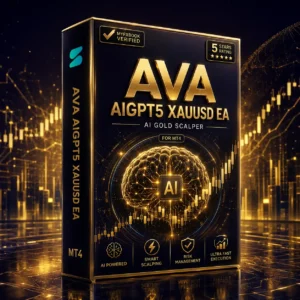
AVA AIGPT5 XAUUSD EA: AI Gold Scalper for MT4
In stock
$0.00 $679.99Price range: $0.00 through $679.99

Golden Deer Holy Grail Indicator (Lifetime Premium)
In stock
Original price was: $109.99.$87.99Current price is: $87.99.
Windows VPS for MT4 & MT5
In stock
$44.99 $359.99Price range: $44.99 through $359.99



 Gold Forex EA