
10 Powerful Insights on How the Stock Market Auction Process Works for First Time Traders


How the Stock Market Auction Process Works for First Time Traders
Understanding how the stock market auction process works for first time traders is one of the most important steps in becoming a confident investor. Many beginners think stock prices move randomly—but in reality, nearly every price you see is the result of a structured auction. This article breaks down the entire process, from order types to price discovery, in a simple, practical way.
Understanding the Basics of the Stock Market Auction System
What “Auction” Means in Trading
When you hear the word “auction,” you might picture a fast-talking auctioneer selling antiques. The stock market works in a similar way, just faster and entirely digital. Buyers and sellers submit orders, and the exchange matches them based on price and availability.
The Role of Buyers, Sellers, and Bid–Ask Dynamics
Every stock has a bid price (what buyers want to pay) and an ask price (what sellers want to receive). The auction process helps determine where buyers and sellers agree.
Why the Auction Process Matters for First Time Traders
Transparency and Price Efficiency
The auction ensures the price you see reflects real supply and demand. This reduces confusion for beginners and helps prevent unfair pricing.
Risk Reduction for New Investors
A structured auction process reduces sharp price swings, which is especially important for first-timers who might be nervous about volatility.
Key Components of a Stock Market Auction
Bid Prices
The highest amount a buyer is willing to pay.
Ask Prices
The lowest amount a seller is willing to accept.
Order Matching
The exchange pairs buyers and sellers. When the bid meets the ask, a trade is executed.
Types of Orders Used in the Auction Process
Market Orders
Executed at the current best available price. Great for speed, risky for accuracy.
Limit Orders
You set the exact price you’re willing to buy or sell. Ideal for beginners.
Stop Orders
Trigger a market or limit order when the stock reaches a certain price.
How Opening and Closing Auctions Work
Pre-opening Phase
Orders accumulate, but no trades are executed.
Price Discovery at Market Open
The exchange calculates an opening price that matches the most buyers and sellers.
End-of-Day Settlement
A final auction helps determine a fair closing price.

Continuous Trading vs. Auction Trading
Differences in Speed, Volume, and Volatility
Continuous trading is rapid and dynamic, while auctions are controlled and structured.
When Auctions Provide Better Pricing
Beginners often get more predictable pricing during opening and closing auctions.
How Stock Exchanges Facilitate Auctions
NYSE Auction Mechanism
Uses human specialists and algorithms.
Nasdaq Opening Cross
Fully electronic and fast.
Role of Market Makers
They maintain orderly markets and provide liquidity.
How Orders Are Prioritized in the Auction Process
Price Priority
Better prices get matched first.
Time Priority
Earlier orders take precedence.
Size Priority
Larger orders may receive preference depending on the exchange.
The Importance of Liquidity in Auctions
How Liquidity Affects Prices
More liquidity means easier trading and tighter spreads.
Liquidity Gaps and Slippage
Thin liquidity can cause sudden price jumps.
Step-by-Step Walkthrough of a Typical Auction Session
1. Placing the Order
A trader submits a buy or sell order.
2. Price Aggregation
The exchange gathers all orders and determines the equilibrium price.
3. Final Execution
Trades occur at the calculated auction price.
Common Mistakes First Time Traders Make During Auctions
Chasing Prices
Rushing into trades without planning.
Misunderstanding Order Types
Market orders can lead to unexpected prices.
Fear-Based Decisions
Emotional trading often leads to losses.
Best Practices for First Time Traders in Auction-Based Trading
Using Limit Orders
This protects you from unfavorable prices.
Setting Clear Entry and Exit Rules
Helps control risk.
Tracking Market Liquidity
Better liquidity means better pricing.

Powerful Forex VPS for MT4 & MT5 – Best Price
182 in stock
$44.99 $359.99Price range: $44.99 through $359.99| Validity | Monthly, Quarterly, Semi Annually, Annually |
|---|
Tools and Platforms That Help First Time Traders Understand the Auction Process
Broker Platforms
Most provide charts and order books.
Market Depth Tools
Shows real-time bids and asks.
Educational Simulators
Practice without risking real money.
Try: https://www.investopedia.com/simulator/
FAQs About How the Stock Market Auction Process Works for First Time Traders
1. Is the auction process the same for all exchanges?
No, each exchange uses its own algorithm, but the principles are similar.
2. When is the best time for beginners to trade?
Opening and closing auctions often provide clearer pricing.
3. Do I need a special broker to participate in auctions?
No. Most brokers automatically route your orders to auctions.
4. What’s the safest order type for beginners?
Limit orders are generally the safest.
5. Can auctions cause price jumps?
Yes, especially if liquidity is low.
6. Why does the auction price change before the market opens?
Because incoming orders continue affecting supply and demand.
Conclusion
Learning how the stock market auction process works for first time traders is a major step toward becoming a confident and informed investor. With a clear understanding of bids, asks, order types, liquidity, and auction timing, beginners can avoid common mistakes and make smarter decisions. While the auction system may seem complex at first, it’s really just a fair, structured way to help buyers and sellers meet at the right price.


Most Popular Forex EA

Apex Quant BTCUSD EA: AI Bitcoin Scalper for MT5
In stock
$0.00 $159.99Price range: $0.00 through $159.99

AVA AIGPT5 XAUUSD EA: AI Gold Scalper for MT4
In stock
$0.00 $679.99Price range: $0.00 through $679.99
Elysium Vortex EURCAD EA: AI EURCAD Scalper for MT5
In stock
$0.00 $199.99Price range: $0.00 through $199.99
Equinox Cosmos GBPJPY EA: AI GBPJPY Scalper for MT5
In stock
$0.00 $199.99Price range: $0.00 through $199.99


Golden Deer Holy Grail Indicator (Lifetime Premium)
324 in stock
Original price was: $1,861.99.$187.99Current price is: $187.99.
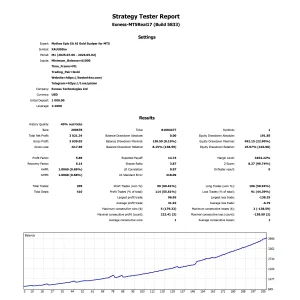
Mythos Epic XAUUSD EA: AI Gold Scalper for MT5
In stock
$0.00 $849.99Price range: $0.00 through $849.99
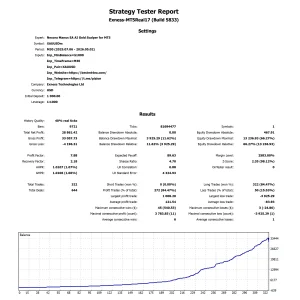
Nexora Manus XAUUSD EA: AI Gold Scalper for MT5
In stock
$0.00 $699.99Price range: $0.00 through $699.99
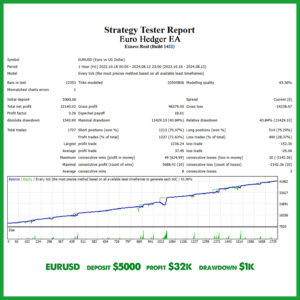
Obsidian Aether EURUSD EA: AI Grid Scalper for MT5
47 in stock
$0.00 $797.99Price range: $0.00 through $797.99
Onix Stratos XAUUSD EA: AI Smart Scalper for MT5
In stock
$349.00 $999.00Price range: $349.00 through $999.00
Powerful Forex VPS for MT4 & MT5 – Best Price
182 in stock
$44.99 $359.99Price range: $44.99 through $359.99

Top 2000 Trading Tools for Forex Success (EA & Indicator)
In stock
Original price was: $99.99.$0.00Current price is: $0.00.
 Gold Forex EA