
What Is a Forex Broker? How to Choose One



Understanding what is a forex broker and how to choose one is one of the first—and most important—steps for anyone entering the world of currency trading. Whether you’re a beginner or a seasoned trader, your broker plays a massive role in how smooth, safe, and profitable your trading journey can be. Choose wisely, and trading feels seamless. Choose poorly, and you may face hidden fees, manipulation, or frozen withdrawals.
This guide breaks everything down in simple terms so you can make confident, smart decisions.
Understanding What a Forex Broker Really Is
A forex broker is a financial service company that gives traders access to the global foreign exchange (forex) market. You can think of a broker as the “bridge” connecting you to the currency market, allowing you to buy and sell currency pairs like EUR/USD or GBP/JPY instantly.
Without a forex broker, retail traders would have no way to participate in the market because direct access to interbank rates is reserved for banks, corporations, and institutions. Brokers fill this gap by routing your trades through their platforms and liquidity providers.
How Forex Brokers Work Behind the Scenes
When you click “Buy” or “Sell,” your order doesn’t just magically appear in the market. Here’s what happens:
- The broker connects your trade to liquidity providers—large financial institutions supplying real pricing.
- Your order is either matched internally or sent directly to the market, depending on the broker type.
- The broker makes money through spreads, commissions, or overnight fees.
This smooth process allows you to trade within milliseconds.
Market Makers vs ECN vs STP Brokers
| Broker Type | How It Works | Pros | Cons |
|---|---|---|---|
| Market Maker | Takes the opposite side of your trade | Low spreads, fast execution | Conflict of interest possible |
| ECN Broker | Connects you to real market prices | Transparent pricing | Higher commissions |
| STP Broker | Passes orders to multiple liquidity providers | Stable execution | Spreads may widen |
Knowing these differences helps you choose a broker that fits your trading style.
Why Choosing the Right Forex Broker Matters
Picking the right broker affects every trade you make. A trustworthy broker offers:
- Fair pricing
- Fast execution
- Honest withdrawals
- Strong regulation
- Reliable customer service
A bad broker, on the other hand, can cost you money long before you even start trading seriously.
Hidden Risks of a Bad Broker
Here are some issues traders commonly face with unreliable brokers:
- Delayed withdrawals or frozen accounts
- Artificial slippage that increases losses
- Stop-loss hunting to trigger unfavorable prices
- Unregulated operations that may disappear overnight
This is why learning what is a forex broker and how to choose one is crucial for long-term success.
Key Factors to Consider When Choosing a Forex Broker
Choosing wisely requires evaluating several important features.
Regulation and Legal Compliance
A legitimate broker must be regulated by respected financial authorities such as:
- FCA (United Kingdom)
- ASIC (Australia)
- CySEC (Europe)
- NFA/CFTC (United States)
Regulation protects traders by ensuring brokers meet strict standards.
Trading Fees, Spreads, and Commissions
Every broker charges differently:
- Spreads: The difference between buy and sell price
- Commissions: Charged per trade
- Swap fees: Overnight holding costs
Look for transparent pricing with no hidden fees.

Trading Platforms and Tools
Most brokers offer:
- MetaTrader 4 (MT4)
- MetaTrader 5 (MT5)
- cTrader
- Custom-built platforms
Good platforms should be fast, stable, and beginner-friendly.
Account Types and Minimum Deposits
Common account types include:
- Standard accounts
- ECN accounts
- Cent accounts (great for beginners)
- Islamic swap-free accounts
Choose an account that aligns with your trading goals and budget.
Payment Methods and Withdrawal Policies
A reliable broker offers:
- Bank transfers
- Debit/credit cards
- E-wallets (Skrill, Neteller)
A trustworthy broker always processes withdrawals quickly.
Customer Support and Transparency
You want a broker with:
- 24/7 customer service
- Live chat options
- Clear communication
- No hidden surprises
Strong support can make your trading experience much smoother.
Comparing Top Forex Broker Features (Table)
| Feature | Good Broker | Bad Broker |
|---|---|---|
| Regulation | Strong oversight | Unregulated |
| Spreads | Tight | Unexpectedly wide |
| Withdrawals | Fast & reliable | Slow or blocked |
| Platform | Stable & modern | Laggy & outdated |
| Reputation | Positive reviews | Many complaints |
Red Flags When Choosing a Forex Broker
Watch out for:
- Unrealistic promises like “Guaranteed profits”
- Bonuses with impossible withdrawal conditions
- No regulation or offshore-only registration
- Poor website security
- Aggressive sales tactics
If it feels too good to be true—it probably is.
How to Verify if a Forex Broker Is Legit
- Check the regulator’s website for license numbers.
- Search online reviews and complaints.
- Test withdrawals with a small amount first.
- Review their terms and conditions carefully.
A bit of research can save you from huge headaches.

Step-by-Step Guide: How to Choose a Forex Broker
- Confirm regulation status.
- Compare spreads and commissions.
- Test the trading platform.
- Check customer support responsiveness.
- Read withdrawal policies.
- Start with a demo account.
- Deposit small amounts first.
Follow these steps and you’ll confidently select a broker that fits your needs.
Beginners vs Advanced Traders: What to Prioritize
Beginners Should Focus On:
- Low minimum deposits
- Easy-to-use platforms
- Educational resources
- Demo accounts
Advanced Traders Should Prioritize:
- Fast execution
- Tight ECN spreads
- VPS hosting options
- Algorithmic trading support
FAQs About What Is a Forex Broker and How to Choose One
1. What is a forex broker in simple terms?
A forex broker is a company that lets you trade currencies through its platform.
2. Is it safe to trade with any forex broker?
No. Only trade with regulated brokers to avoid scams.
3. What fees do forex brokers charge?
Spreads, commissions, and swap fees depend on the broker type.
4. How do I know if a broker is regulated?
Check the regulator’s official website using the broker’s license number.
5. Can beginners trade forex safely?
Yes—if they choose a regulated broker and start small.
6. Do brokers manipulate prices?
Unregulated brokers sometimes do. Regulated brokers cannot legally manipulate prices.
Conclusion
Now you have a clear understanding of what is a forex broker and how to choose one. By focusing on regulation, fees, platforms, customer support, and transparency, you can confidently select a broker that supports safe, profitable trading.
Most Popular Forex EA
Onix Stratos XAUUSD EA: AI Smart Scalper for MT5
In stock
$0.00 $999.99Price range: $0.00 through $999.99
Elysium Vortex EURCAD EA: AI EURCAD Scalper for MT5
In stock
$0.00 $199.99Price range: $0.00 through $199.99
Equinox Cosmos GBPJPY EA: AI GBPJPY Scalper for MT5
In stock
$0.00 $399.99Price range: $0.00 through $399.99
Apex Quant BTCUSD EA: AI Bitcoin Scalper for MT5
In stock
$0.00 $159.99Price range: $0.00 through $159.99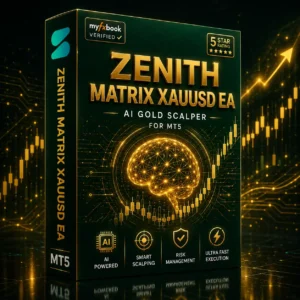
Zenith Matrix XAUUSD EA: AI Gold Scalper for MT5
In stock
$0.00 $899.99Price range: $0.00 through $899.99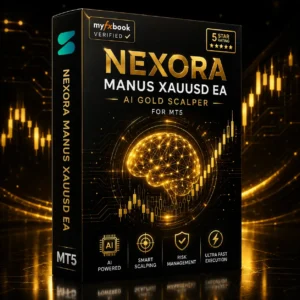
Nexora Manus XAUUSD EA: AI Gold Scalper for MT5
In stock
$0.00 $699.99Price range: $0.00 through $699.99
Mythos Epic XAUUSD EA: AI Gold Scalper for MT5
In stock
$0.00 $849.99Price range: $0.00 through $849.99
Obsidian Aether EURUSD EA: AI Grid Scalper for MT5
In stock
$0.00 $797.99Price range: $0.00 through $797.99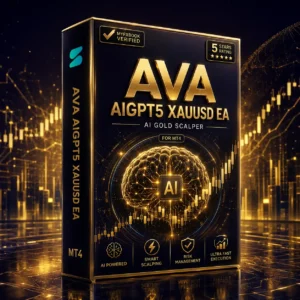
AVA AIGPT5 XAUUSD EA: AI Gold Scalper for MT4
In stock
$0.00 $679.99Price range: $0.00 through $679.99

Golden Deer Holy Grail Indicator (Lifetime Premium)
In stock
Original price was: $109.99.$87.99Current price is: $87.99.
Windows VPS for MT4 & MT5
In stock
$44.99 $359.99Price range: $44.99 through $359.99



 Gold Forex EA