
7 Powerful Reasons Why Core PCE Matters More Than CPI for Rate Cuts



Why Core PCE Matters More Than CPI for Rate Cuts
Understanding why core pce matters more than cpi for rate cuts is essential for anyone who follows the economy, the stock market, interest rates, or Federal Reserve policy. Inflation affects everything—from the cost of groceries to mortgage rates—so measuring it correctly is extremely important. While both CPI (Consumer Price Index) and Core PCE (Personal Consumption Expenditures Price Index) measure inflation, the Federal Reserve consistently relies more heavily on Core PCE when making interest rate decisions. But why is that the case? Let’s jump in and break it down in a way that’s easy to understand.
Understanding Core PCE and CPI: A Complete Overview
What Is Core PCE? Key Components Explained
Core PCE is the Federal Reserve’s preferred inflation measure, and it tracks the prices of goods and services consumers actually buy. It removes food and energy because those prices can swing wildly, often for reasons unrelated to economic fundamentals—like weather patterns, geopolitical issues, or supply disruptions.
What Is CPI? How the Consumer Price Index Is Calculated
CPI, on the other hand, measures a fixed basket of goods. It gives a strong picture of consumer out-of-pocket expenses, but it doesn’t adapt as quickly to changes in consumer behavior. If families switch from beef to chicken because prices go up, CPI doesn’t immediately reflect those substitutions.
Core vs. Headline Data: Why It Matters for Policymakers
The Federal Reserve focuses on underlying inflation trends, and core measures do a better job of filtering out short-term noise. That’s especially important when thinking about rate cuts.
Why Core PCE Matters More Than CPI for Rate Cuts (Primary Analysis)
Fed Preferences: The Role of Core PCE in Monetary Policy
When policymakers discuss rates, they care about sustained inflation, not temporary spikes. Core PCE provides:
- A broader scope of spending categories
- Smoother, less volatile readings
- A better reflection of long-term economic conditions
This is exactly why core pce matters more than cpi for rate cuts.
Why CPI Can Be More Volatile and Less Predictive
CPI includes food and gasoline—two categories that can jump or fall quickly. These rapid changes often don’t represent the real underlying inflation environment. If CPI rises sharply because of a short-term gas price hike, it doesn’t mean the economy is overheating.
The Impact of Shelter and Energy on CPI Readings
Shelter costs, which make up more than 30% of CPI, can distort inflation readings because they lag real market data. This makes CPI less useful when making timely interest rate decisions.
Comparing Volatility and Predictive Power Between Measures
Why Core PCE Provides a Clearer View of Inflation Trends
Core PCE uses a formula that updates when consumers change spending habits. It’s flexible. CPI is not.
How CPI Often Overstates Inflation in Real Time
Economists frequently note that CPI runs higher than Core PCE. This can make inflation appear worse than it truly is when considering long-term trends.
How the Federal Reserve Interprets Core PCE During Rate Cut Cycles
The Relationship Between Inflation and Rate Cuts
The Fed aims for stable, slow inflation—typically 2%. When inflation runs too high, the Fed raises rates. When inflation slows, the Fed considers cuts.
How Core PCE Guides Forward-Looking Monetary Policy Decisions
Core PCE helps the Fed forecast whether inflation is moving sustainably toward its 2% target.
Core PCE and the Fed’s 2% Target
The Fed’s public statements emphasize that their inflation target is based on the Core PCE measure—not CPI.
Economic Sectors Most Influenced by Core PCE Movements
Services Spending and Its Weight in Core PCE
Core PCE heavily weights services, which better represent the modern U.S. economy than goods alone.
Household Consumption as a Predictor of Broader Economic Health
Because Core PCE tracks real spending, it offers insight into how confident consumers feel.
Real-World Examples: When Core PCE Signaled Rate Cuts Before CPI Did
Historical Case Study #1: Late 1990s Inflation Trends
Economists frequently reference this era because Core PCE revealed slowing inflation earlier than CPI, influencing Fed actions.
Historical Case Study #2: Post-2020 Monetary Responses
During the recovery following the pandemic, Core PCE stabilized long before CPI, helping policymakers determine when rate cuts were appropriate.
Why Markets React More Strongly to Core PCE Releases
Market Pricing, Treasury Yields, and Bond Volatility
Bond traders rely heavily on Core PCE because it’s the Fed’s inflation benchmark.
Equity Market Reactions to Core PCE Surprises
Stocks often jump when Core PCE shows cooling inflation because investors expect upcoming rate cuts.
How Investors and Businesses Should Use Core PCE Data
Forecasting Borrowing Costs and Budget Planning
Lower Core PCE usually signals lower future borrowing costs.
Building Resilient Investment Strategies Using Core PCE
Long-term investors often watch Core PCE before adjusting portfolios or preparing for rate changes.

FAQs About Why Core PCE Matters More Than CPI for Rate Cuts
1. Why does the Fed prefer Core PCE instead of CPI?
Because Core PCE updates for changes in consumer behavior and is less volatile.
2. Does CPI impact rate decisions at all?
Yes, but it plays a supporting role rather than a leading one.
3. Why is Core PCE more stable?
It excludes volatile categories and uses a flexible weighting method.
4. Is CPI useless?
Not at all—it’s useful for understanding household expenses but not ideal for monetary policy.
5. Do markets react more to CPI or Core PCE?
Core PCE—because investors care about what the Fed cares about.
6. How often is Core PCE released?
Every month, alongside the broader PCE report.
Conclusion: The Future of Inflation Metrics and Rate Cuts
Understanding why core pce matters more than cpi for rate cuts helps consumers, businesses, and investors navigate economic shifts with confidence. As long as the Federal Reserve prioritizes long-term stability, Core PCE will remain the key indicator shaping interest rate policy.
Most Popular Forex EA
Onix Stratos XAUUSD EA: AI Smart Scalper for MT5
In stock
$0.00 $999.99Price range: $0.00 through $999.99
Elysium Vortex EURCAD EA: AI EURCAD Scalper for MT5
In stock
$0.00 $199.99Price range: $0.00 through $199.99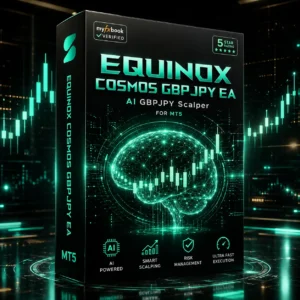
Equinox Cosmos GBPJPY EA: AI GBPJPY Scalper for MT5
In stock
$0.00 $399.99Price range: $0.00 through $399.99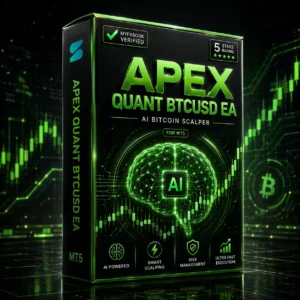
Apex Quant BTCUSD EA: AI Bitcoin Scalper for MT5
In stock
$0.00 $159.99Price range: $0.00 through $159.99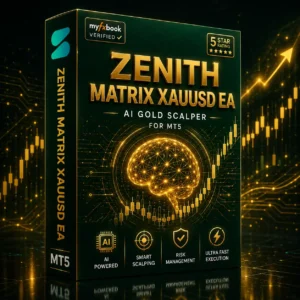
Zenith Matrix XAUUSD EA: AI Gold Scalper for MT5
In stock
$0.00 $899.99Price range: $0.00 through $899.99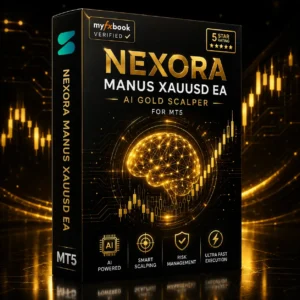
Nexora Manus XAUUSD EA: AI Gold Scalper for MT5
In stock
$0.00 $699.99Price range: $0.00 through $699.99
Mythos Epic XAUUSD EA: AI Gold Scalper for MT5
In stock
$0.00 $849.99Price range: $0.00 through $849.99
Obsidian Aether EURUSD EA: AI Grid Scalper for MT5
In stock
$0.00 $797.99Price range: $0.00 through $797.99
AVA AIGPT5 XAUUSD EA: AI Gold Scalper for MT4
In stock
$0.00 $679.99Price range: $0.00 through $679.99

Golden Deer Holy Grail Indicator (Lifetime Premium)
In stock
Original price was: $109.99.$87.99Current price is: $87.99.
Windows VPS for MT4 & MT5
In stock
$44.99 $359.99Price range: $44.99 through $359.99



 Gold Forex EA