
How to Evaluate a New EA Vendor Due Diligence List: The Complete Guide



Evaluating a new enterprise architecture (EA) vendor can be a daunting task, especially when your organization depends on seamless technology solutions. Understanding how to evaluate a new EA vendor due diligence list ensures you’re not just selecting a capable partner—but a trustworthy one. This guide breaks down the process from start to finish, helping you make confident and well-informed decisions.
Understanding the Importance of EA Vendor Evaluation
Choosing the right EA vendor is more than picking software or services. It’s about selecting a strategic partner who shapes your long-term architecture roadmap. A structured due diligence process protects your organization from financial loss, compliance issues, and operational risks.
What an EA Vendor Really Provides
EA vendors typically offer:
- Frameworks for IT planning and design
- Tools for enterprise modeling
- Data governance solutions
- Support for business-technology alignment
Their influence touches nearly every system in your business, which is why evaluation requires thorough scrutiny.
Why Due Diligence Protects Your Business
Skipping due diligence may lead to:
- Hidden costs
- Incompatible solutions
- Security vulnerabilities
- Long-term vendor lock-in
A good evaluation process ensures stability, transparency, and consistency—key elements for sustainable growth.
Key Factors in How to Evaluate a New EA Vendor Due Diligence List
Reviewing Company Background and Reputation
Start with the basics: who are they?
Ask questions like:
- How long have they operated?
- What industries do they serve?
- Do they have publicly available case studies?
Licenses, Certifications, and Regulatory Compliance
Check for:
- ISO certifications
- SOC 2 compliance
- GDPR alignment
These demonstrate maturity and commitment to quality.
Financial Stability Indicators
A financially unstable vendor poses long-term risks. Review:
- Credit ratings
- Investor reports
- Mergers or acquisitions
- Revenue trends
Assessing Technical Expertise and Capabilities
Technology Stack and Integration Support
A strong EA vendor should support modern, flexible technologies.
Ensure compatibility with:
- API frameworks
- Cloud platforms
- Existing enterprise systems
Security and Data Protection Standards
Security isn’t optional. Look for:
- Data encryption protocols
- Identity and access management systems
- Disaster recovery documentation
Operational Performance and Scalability
Delivery Models and Response Time Metrics
Vendors should offer:
- Consistent uptime
- Clear communication channels
- Quick issue resolution
Service-Level Agreements (SLAs)
SLAs must outline:
- Performance guarantees
- Support response tiers
- Penalties for non-compliance
Risk Management Factors in EA Vendor Due Diligence
Identifying Potential Red Flags
Watch out for:
- Poor support reviews
- Outdated documentation
- Frequent leadership changes
Evaluating Vendor Transparency and Governance
Good vendors share:
- Product roadmaps
- Open communication during trials
- Honest limitations of their services
Building a Practical How to Evaluate a New EA Vendor Due Diligence List
Checklist of Core Due Diligence Elements
A strong list includes:
- Financial review
- Technical compatibility
- Legal compliance
- Security standards
- Support responsiveness
- References and testimonials
Tools and Templates for Vendor Evaluation
You can use:
- Excel or Google Sheets scoring sheets
- Vendor comparison matrices
- Risk heat maps
A helpful free template library: https://www.smartsheet.com/
Conducting Vendor Interviews and Assessments
Questions to Ask Prospective Vendors
Some effective questions:
- “How does your solution scale with organizational growth?”
- “What integrations do you support out of the box?”
- “What cybersecurity frameworks do you follow?”
How to Validate Vendor Claims
Request:
- Live demos
- Technical walkthroughs
- Security certificates
- Third-party audit results
Comparing Vendors Using a Scoring System
Weighted Criteria Model
Assign weights to:
- Cost
- Security
- Scalability
- Support
Then multiply scores by weights to calculate an objective ranking.
Sample Vendor Evaluation Table
| Criteria | Weight | Vendor A | Vendor B |
|---|---|---|---|
| Security | 30% | 8 | 9 |
| Support | 20% | 7 | 6 |
| Pricing | 20% | 9 | 7 |
| Features | 30% | 8 | 8 |
Documenting Your Final Vendor Decision
How to Present Findings to Stakeholders
Keep it simple:
- Use charts
- Share risk levels
- Provide a clear recommendation
Maintaining an Audit Trail
Document:
- Screening process
- Interviews
- Analysis sheets
- Approval chain
Updating Your EA Vendor Due Diligence List Over Time
Annual Review Process
Vendor performance can change. Reevaluate yearly.
Continuous Vendor Monitoring Practices
Monitor:
- Support quality
- System vulnerabilities
- Product updates
Common Mistakes to Avoid When Evaluating EA Vendors
Overlooking Cybersecurity Risks
Always prioritize security.
Relying on Marketing Claims Instead of Evidence
Demand proofs—not promises.
FAQs About How to Evaluate a New EA Vendor Due Diligence List
1. Why is due diligence necessary for EA vendors?
It protects your organization from operational, security, and compliance risks.
2. What’s the first step in evaluating a vendor?
Start with company background and stability.
3. How do I verify vendor security?
Review certifications, audit logs, encryption standards, and SOC reports.
4. How often should I update my due diligence list?
At least once a year, or anytime major vendor changes occur.
5. What red flags should I look for?
Poor financials, lack of documentation, slow support, and limited transparency.
6. Should vendors provide product roadmaps?
Yes—this shows long-term commitment and development planning.
Conclusion
Understanding how to evaluate a new EA vendor due diligence list helps organizations choose reliable partners who meet strategic, technical, and security needs. With a structured checklist, scoring system, and interview process, you can reduce risks and make confident, informed decisions that support long-term business growth.
Most Popular Forex EA
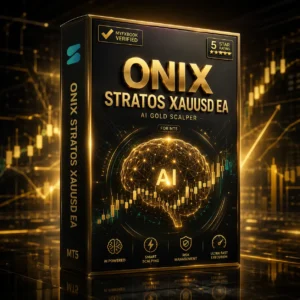
Onix Stratos XAUUSD EA: AI Smart Scalper for MT5
In stock
$0.00 $999.99Price range: $0.00 through $999.99
Elysium Vortex EURCAD EA: AI EURCAD Scalper for MT5
In stock
$0.00 $199.99Price range: $0.00 through $199.99
Equinox Cosmos GBPJPY EA: AI GBPJPY Scalper for MT5
In stock
$0.00 $399.99Price range: $0.00 through $399.99
Apex Quant BTCUSD EA: AI Bitcoin Scalper for MT5
In stock
$0.00 $159.99Price range: $0.00 through $159.99
Zenith Matrix XAUUSD EA: AI Gold Scalper for MT5
In stock
$0.00 $899.99Price range: $0.00 through $899.99
Nexora Manus XAUUSD EA: AI Gold Scalper for MT5
In stock
$0.00 $699.99Price range: $0.00 through $699.99
Mythos Epic XAUUSD EA: AI Gold Scalper for MT5
In stock
$0.00 $849.99Price range: $0.00 through $849.99
Obsidian Aether EURUSD EA: AI Grid Scalper for MT5
In stock
$0.00 $797.99Price range: $0.00 through $797.99
AVA AIGPT5 XAUUSD EA: AI Gold Scalper for MT4
In stock
$0.00 $679.99Price range: $0.00 through $679.99

Golden Deer Holy Grail Indicator (Lifetime Premium)
In stock
Original price was: $109.99.$87.99Current price is: $87.99.
Windows VPS for MT4 & MT5
In stock
$44.99 $359.99Price range: $44.99 through $359.99



 Gold Forex EA