
Forex Trading Psychology: Master Emotional Control



Forex trading can be fast, unpredictable, and emotionally intense. That’s why learning how to manage emotions in forex trading psychology is one of the most essential skills every trader must master. Without emotional control, even the best trading strategies can fail. With it, even beginners can trade with confidence and consistency.
This guide explores exactly how emotions affect your decisions and what you can do to gain mental clarity and discipline.
Understanding Forex Trading Psychology
Forex trading psychology refers to the thoughts, feelings, and mental patterns that affect your trading decisions. Whether you’re new or experienced, your mind plays a major role in how you react to market changes. Emotional responses like fear, greed, and stress can influence when you enter or exit trades—even when your trading plan says otherwise.
Why Managing Emotions in Forex Trading Matters
Trading is not only about charts and strategies—it’s also about mindset. When emotions take the lead, traders often:
- Close trades too early
- Hold losing trades too long
- Jump into the market without analysis
- Overestimate their abilities
- React instead of planning
These behaviors can drain your capital and your confidence. Learning how to manage emotions in forex trading psychology helps reduce impulsive decisions and encourages disciplined, thoughtful trading.
Common Emotional Challenges Traders Face
- Fear: Worrying about losses and missing opportunities
- Greed: Chasing profits beyond your plan
- Impatience: Entering trades too quickly
- Regret: Overthinking past losses
- Hope: Holding onto losing trades expecting sudden reversals
Every trader faces these emotions—it’s how you handle them that matters.
Core Principles of Emotional Discipline in Forex
Mastering emotions begins with understanding the mental habits that influence your decisions.

How Cognitive Biases Affect Traders
- Loss Aversion: Holding losing trades to avoid feeling wrong
- Overconfidence: Believing you “can’t lose”
- Confirmation Bias: Only seeking information that supports your opinion
These silent biases can sabotage your trading success.
How to Manage Emotions in Forex Trading Psychology (Core Strategies)
Below are the most effective ways to keep emotions under control while trading.
Create a Clear Trading Plan
A strong trading plan removes emotional guesswork. It should include:
- Entry rules
- Exit rules
- Risk-to-reward ratios
- Maximum daily loss
- Position sizes
When you follow your plan, your emotions lose their power.
Use a Risk Management System
Risk management is your emotional safety net.
Use:
- Stop-loss orders
- Proper lot sizing
- Daily loss limits
- Capital preservation rules
Knowing your risk ahead of time keeps you calm during volatility.
Develop Emotional Awareness
Track your emotions as you trade. Notice:
- What triggers stress
- When you overtrade
- When you hesitate
- When fear blocks decisions
Awareness leads to control.
Practice Mindfulness & Stress Reduction
Simple habits can improve mental focus:
- Deep breathing
- Meditation
- Taking micro-breaks
- Stretching
- Staying hydrated
These reset your mind and reduce overwhelm.
Build Discipline Through Routine
Professional traders follow routines because routines reduce emotional reactivity. Create a schedule for:
- Market analysis
- Trade execution
- Breaks
- Daily reviews
Consistency builds confidence.
Avoid Overtrading
Overtrading is often caused by boredom, excitement, or fear of missing out. Set limits:

- Maximum trades per day
- Maximum risk per session
Less trading often leads to better results.
Stick to the Strategy (Even Under Stress)
When markets move fast, emotions push you to break your own rules. Remind yourself:
“My job is to follow my plan—not predict the market.”
Embrace Losses as Part of Trading
Losses are normal, expected, and unavoidable. Accepting them reduces panic. Your goal is not to avoid losses—but to manage them wisely.
Use a Trading Journal for Emotional Tracking
Record:
- Your trades
- Your reasons
- Your emotions during the trade
- What you learned
Reviewing your journal helps you grow faster.
Advanced Psychological Techniques for Forex Traders
These strategies help experienced traders refine their mindset.
Setting Realistic Expectations
Unrealistic goals lead to stress, frustration, and emotional decision-making. Aim for:
- Slow and steady growth
- Long-term consistency
- Learning over perfection
Using Technology for Emotional Control
Tools like:
- Automated alerts
- Auto-execution
- Trailing stops
help reduce emotional interference.
Building a Healthy Trading Environment
Your environment shapes your psychology.
Managing Fatigue and Burnout
Tired traders make emotional decisions. Prioritize:
- Sleep
- Breaks
- Eye rest
- Reduced screen time
Healthy Body = Healthy Mind
Good nutrition and regular exercise boost focus and emotional strength.
Case Study: Emotional Management in Real Trading Scenarios
Imagine a trader sees the market suddenly drop. Their emotions say:

- “Get out now!”
- “Hold on, it might bounce!”
But their plan says: Hold until stop-loss.
By trusting the plan over panic, the trader avoids emotional losses.
Common Mistakes to Avoid in Forex Trading Psychology
- Revenge trading
- Chasing losses
- Ignoring stop-losses
- Trading while emotional
- Trading without a plan
Avoiding these mistakes helps you stay disciplined.
FAQs
1. What is the biggest emotional challenge in forex trading?
Fear and greed are the biggest emotional obstacles traders face.
2. How can beginners control emotions while trading?
Use a trading plan, manage risk, and avoid trading too often.
3. Does psychology really affect trading results?
Yes—emotions impact nearly every trading decision.
4. How do I avoid emotional trading mistakes?
Stick to your plan, journal your trades, and limit risk.
5. How does overtrading affect psychology?
It increases stress, reduces clarity, and often leads to bigger losses.
6. Can mindfulness improve trading performance?
Absolutely—calmness improves focus and decision-making.
Conclusion
Learning how to manage emotions in forex trading psychology is one of the most important steps toward becoming a skilled, consistent, and confident trader. When you master your emotions, you master your trading future
Most Popular Forex EA

Onix Stratos XAUUSD EA: AI Smart Scalper for MT5
In stock
$0.00 $999.99Price range: $0.00 through $999.99
Elysium Vortex EURCAD EA: AI EURCAD Scalper for MT5
In stock
$0.00 $199.99Price range: $0.00 through $199.99
Equinox Cosmos GBPJPY EA: AI GBPJPY Scalper for MT5
In stock
$0.00 $399.99Price range: $0.00 through $399.99
Apex Quant BTCUSD EA: AI Bitcoin Scalper for MT5
In stock
$0.00 $159.99Price range: $0.00 through $159.99
Zenith Matrix XAUUSD EA: AI Gold Scalper for MT5
In stock
$0.00 $899.99Price range: $0.00 through $899.99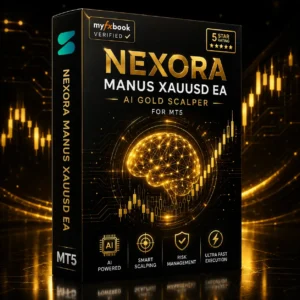
Nexora Manus XAUUSD EA: AI Gold Scalper for MT5
In stock
$0.00 $699.99Price range: $0.00 through $699.99
Mythos Epic XAUUSD EA: AI Gold Scalper for MT5
In stock
$0.00 $849.99Price range: $0.00 through $849.99
Obsidian Aether EURUSD EA: AI Grid Scalper for MT5
In stock
$0.00 $797.99Price range: $0.00 through $797.99
AVA AIGPT5 XAUUSD EA: AI Gold Scalper for MT4
In stock
$0.00 $679.99Price range: $0.00 through $679.99

Golden Deer Holy Grail Indicator (Lifetime Premium)
In stock
Original price was: $109.99.$87.99Current price is: $87.99.
Windows VPS for MT4 & MT5
In stock
$44.99 $359.99Price range: $44.99 through $359.99



 Gold Forex EA