

How to Trade During Asian Forex Session as Beginner – 10 Powerful Tips for Success


How to Trade During Asian Forex Session as Beginner – 10 Powerful Tips for Success
If you’re a new trader wondering how to trade during Asian forex session as beginner, you’re already on the right track. The Asian session is known for its calm, predictable behavior—making it one of the best starting points for beginners. With lower volatility, more stable price movements, and fewer unexpected spikes, this session allows new traders to learn without overwhelming pressure.
In this complete guide, we’ll take a deep dive into strategies, tools, mistakes to avoid, and the best ways to trade confidently when the Asian market is active.
Understanding the Asian Forex Session
The Asian session kicks off the global forex trading day, and although it’s quieter than London or New York, it offers unique opportunities for beginners to learn market structure, experiment with strategies, and observe currency patterns.
What Time the Asian Session Starts and Ends
The Asian forex session operates from:
- Tokyo open: 12:00 AM to 9:00 AM GMT
- Sydney session overlap: Begins at 10:00 PM GMT
- Singapore & Hong Kong activity: Adds liquidity between 1:00 AM and 8:00 AM GMT
These overlapping hours create pockets of movement that beginners can target.
Major Financial Centers Active in the Asian Session
Key markets influencing this session include:
- Tokyo (JPY)
- Sydney (AUD)
- Singapore (SGD)
- Hong Kong (HKD)
Because these centers dominate the session, they also shape price behavior for related currencies.
Key Currency Pairs to Trade During the Asian Session
Currency pairs with consistently tight spreads during this session include:
- USD/JPY
- AUD/USD
- NZD/USD
- AUD/JPY
- EUR/JPY
These pairs often move smoothly and respond well to basic technical setups.
Why the Asian Forex Session Matters for Beginners
Trading during the Asian session can be a game changer because of its structure and rhythm.
Lower Volatility Advantage
Unlike the high-speed London session, the Asian session is calm and collected, making it ideal for:
- Practicing chart analysis
- Testing strategies safely
- Minimizing random price spikes
Lower volatility = lower stress for beginners.
Predictable Market Behavior
Most Asian session movements fall into clear patterns, such as:
- Tight ranges
- Slow-moving trends
- Gradual breakouts
Predictability helps beginners learn faster and reduces emotional trading.
How Beginners Can Prepare to Trade the Asian Session
Preparation is key for success, especially when learning how to trade during Asian forex session as beginner.
Setting Up the Right Forex Trading Platform
Your platform should offer:
- Clean charting tools
- Reliable execution
- Low spreads during off-peak hours
- Access to AUD, NZD, and JPY pairs
MetaTrader, cTrader, and TradingView are excellent options.

Choosing a Suitable Trading Strategy
You don’t need a complex system. Simple strategies work best, such as:
- Range trading
- Breakout anticipation
- Trend continuation setups
Stick to one strategy and master it before moving on.
Best Strategies for How to Trade During Asian Forex Session as Beginner
Below are the most beginner-friendly strategies for this specific session.
Range Trading Strategy
Most movement in the Asian session stays inside a fixed range. Beginners can:
- Mark support and resistance levels
- Buy at support
- Sell at resistance
- Use small stop losses due to tight ranges
This strategy thrives in low-volatility markets.
Breakout Preparation Strategy
While the Asian session is calm, it sets the stage for explosive London breakouts.
Steps:
- Identify the Asian session high and low
- Mark these zones
- Watch for London breakout later
This strategy requires no trades during Asian session—only preparation.
Trend Continuation Strategy
Sometimes trends from New York session continue into Tokyo.
Look for:
- Confirmed higher highs or lower lows
- Pullbacks into moving averages
- Trendline bounces
This is perfect for beginners learning trend behavior.
Risk Management Tips for Asian Session Traders
Trading safely is essential for every beginner.
Setting Realistic Profit Targets
Avoid chasing huge profits during low volatility. Instead:
- Aim for 10–20 pips
- Take small, consistent wins
- Avoid revenge trading
Using Stop Loss and Take Profit Properly
Stops should be placed:
- Below support (for buys)
- Above resistance (for sells)
Keep stops tight to match slow market conditions.
Position Sizing for Low-Volatility Market
Use small positions to protect your capital:
- Start with 0.01 lots
- Risk 1% or less per trade
This keeps emotions under control.
Common Mistakes Beginners Make in the Asian Forex Session
Avoid these pitfalls to increase your win rate.
Overleveraging
Leverage is tempting, but risky. Beginners should stay conservative.
Trading Dead Market Hours
Some parts of the Asian session (especially pre-Tokyo open) move extremely slow. Avoid trading when the market barely moves.
Ignoring News from Japan, Australia, and China
Asia-related economic announcements can cause sharp spikes. Always check the news before trading.
Best Tools and Indicators for Asian Session Trading
Here are simple but powerful tools to guide your trades.
Bollinger Bands for Range Bound Markets
They help identify:
- Overbought levels
- Oversold levels
- Breakout pressure building
Support & Resistance Levels
Marking key levels can define your entire trading plan.
ATR Indicator for Session Volatility
ATR shows how far price is likely to move, helping in setting realistic stops.
Economic News to Watch During Asian Session
Fundamental analysis still matters.
Bank of Japan Announcements
These events can move USD/JPY dramatically.
RBA and RBNZ Statements
They impact AUD and NZD pairs.
China Economic Data Releases
Data such as GDP or CPI influences AUD and NZD heavily.
FAQs About How to Trade During Asian Forex Session as Beginner
1. Is the Asian session good for beginners?
Yes, because of its low volatility and clear patterns.
2. Which currency pair is best for this session?
USD/JPY and AUD/USD are beginner-friendly.
3. Can I trade breakouts during Asian session?
Breakouts rarely happen, but you can prepare for London breakouts.
4. Is it possible to scalp during Asian session?
Yes—especially with JPY pairs.
5. What time should beginners trade?
The best hours are Tokyo open to mid-session (12:00 AM–4:00 AM GMT).
6. Do I need indicators?
Not necessarily—support/resistance is often enough.
Conclusion
Learning how to trade during Asian forex session as beginner opens the door to safer, calmer, and more predictable trading experiences. With the right strategies, discipline, and risk management, the Asian session can become a powerful training ground for long-term success. Keep practicing, stay patient, and focus on building consistency.


Most Popular Forex EA

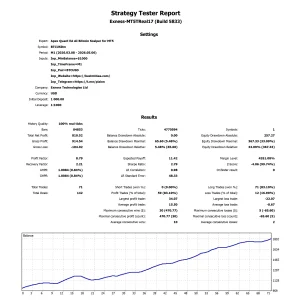
Apex Quant BTCUSD EA: AI Bitcoin Scalper for MT5
In stock
$0.00 $999.99Price range: $0.00 through $999.99

AVA AIGPT5 XAUUSD EA: AI Gold Scalper for MT4
In stock
$0.00 $679.99Price range: $0.00 through $679.99
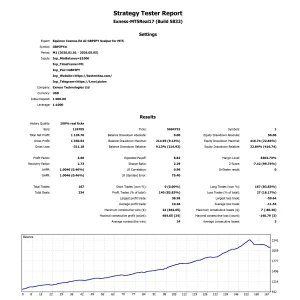
Elysium Vortex EURCAD EA: AI EURCAD Scalper for MT5
In stock
$0.00 $599.99Price range: $0.00 through $599.99
Equinox Cosmos GBPJPY EA: AI GBPJPY Scalper for MT5
In stock
$0.00 $599.99Price range: $0.00 through $599.99


Golden Deer Holy Grail Indicator (Lifetime Premium)
324 in stock
Original price was: $1,861.99.$187.99Current price is: $187.99.
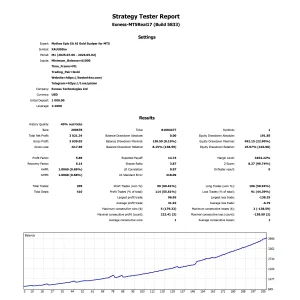
Mythos Epic XAUUSD EA: AI Gold Scalper for MT5
In stock
$0.00 $849.99Price range: $0.00 through $849.99
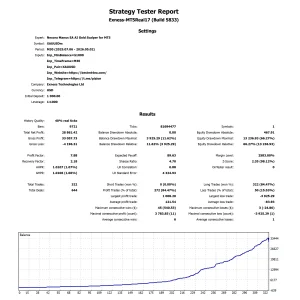
Nexora Manus XAUUSD EA: AI Gold Scalper for MT5
In stock
$0.00 $499.99Price range: $0.00 through $499.99
Obsidian Aether EURUSD EA: AI Grid Scalper for MT5
249 in stock
$0.00 $197.99Price range: $0.00 through $197.99
Powerful Forex VPS for MT4 & MT5 – Best Price
182 in stock
$44.99 $359.99Price range: $44.99 through $359.99

Top 2000 Trading Tools for Forex Success (EA & Indicator)
In stock
Original price was: $9,999.99.$0.00Current price is: $0.00.
Zenith Matrix XAUUSD EA: AI Gold Scalper for MT5
In stock
$0.00 $899.99Price range: $0.00 through $899.99