
How to Trade the FOMC Interest Rate Decision Live: A Step-by-Step Guide



Trading the Federal Open Market Committee (FOMC) interest rate decision live can be an exciting yet risky experience for traders. The FOMC, which meets approximately every six weeks, plays a crucial role in shaping U.S. monetary policy by adjusting interest rates. The decision they make can have a significant impact on global markets, particularly on forex, equities, and bond markets. Here’s how to approach trading during an FOMC interest rate decision live.
1. Understand the FOMC’s Role and the Impact of Rate Decisions
The FOMC is responsible for setting the target range for the federal funds rate, which is the interest rate at which depository institutions lend reserve balances to other depository institutions overnight. Changes to the federal funds rate can have a far-reaching impact on economic growth, inflation, and employment.
Before trading, it’s essential to have a good understanding of what the FOMC is trying to achieve with its rate decision. Here are a few common goals:
- Raising interest rates usually indicates an attempt to combat inflation.
- Lowering interest rates tends to stimulate economic activity by making borrowing cheaper.
FOMC decisions are highly anticipated, and traders should be prepared for increased volatility.
2. Follow the Economic Calendar and Pre-Decision Data
The first step in trading the FOMC decision live is knowing when it will happen. FOMC meetings are scheduled in advance, and market participants closely monitor the dates.
Key steps before the decision:
- Check the Economic Calendar: Identify the date and time of the FOMC meeting and press conference. These are typically published in advance.
- Review Economic Indicators: Key economic data like GDP growth, unemployment rates, and inflation reports (e.g., CPI or PCE) often influence the Fed’s decision. Look at recent trends to gauge whether the Fed might raise or cut rates.
3. Analyze Market Expectations
Ahead of the decision, markets will have a consensus on what the Fed might do. Traders and analysts use tools like the CME FedWatch Tool, which shows the probability of a rate hike or cut based on futures market prices.
How to gauge market sentiment:
- Interest Rate Futures: Futures contracts on the fed funds rate allow you to see what market participants expect. This can give insight into whether the market is pricing in a rate hike, cut, or no change.
- Federal Funds Futures: Watch how futures prices shift leading up to the FOMC meeting. If the market expects a rate change, there will be increased activity in these contracts.
4. Trade the Market Reaction Right After the Announcement
Once the FOMC rate decision is announced, the market will react instantly. Here’s how to manage your trades:
Immediate market moves:
- Strong Market Reactions: If the Fed raises or cuts rates unexpectedly (i.e., not what the market anticipated), the market may move sharply in one direction. Traders can take advantage of this volatility through short-term trades.
- Wait for Confirmation: If the market reacts in a way you didn’t anticipate, be cautious. Sometimes, the initial reaction is a “knee-jerk” response that may be reversed shortly afterward.
How to trade the announcement:
- Forex: The U.S. Dollar (USD) is often the most affected currency. If the Fed raises rates, the USD could rise as investors seek higher yields. Conversely, if the Fed cuts rates, the USD might weaken.
- Equities: If the Fed raises rates, it may negatively impact equities, particularly growth stocks that rely on cheap capital. However, if they signal dovish (rate-cutting) intentions, equities could rally.
- Bonds: Bond prices tend to fall when rates rise because their yields become less attractive. Bond markets are particularly sensitive to changes in the Fed’s rate outlook.
5. Watch the FOMC Press Conference and Statement
The official rate decision may be followed by a statement and a press conference with the Fed chair. The Fed’s tone in these sessions can provide clues about future policy changes and the economic outlook.
Important elements to focus on:
- Language of the Statement: Look for hints of future rate hikes or cuts. Words like “hawkish” (favoring higher rates) or “dovish” (favoring lower rates) provide critical insight.
- Press Conference Insights: The Fed chair’s comments often move the market even more than the rate decision itself. Be prepared for live trading based on the chair’s answers to questions.
6. Use Stop-Loss and Risk Management Techniques
Trading the FOMC decision can be highly volatile, so it’s crucial to have a solid risk management strategy:

- Set Stop-Loss Orders: Given the potential for sharp market swings, setting stop-loss orders can protect you from massive losses.
- Trade Smaller Positions: If you’re new to trading during FOMC announcements, consider reducing your position size to limit exposure.
- Avoid Over-Leverage: FOMC decisions can lead to unpredictable market behavior. Avoid using too much leverage in these circumstances.
7. Consider Post-Decision Analysis and Longer-Term Trends
Once the immediate volatility dies down, look at how the market reacts over the next few days or weeks. The initial reaction might not always be indicative of the broader market trend.
Key points to watch:
- Review Economic Data: If the Fed changes rates because of inflation, look at how inflation data evolves post-decision.
- Long-Term Strategy: FOMC decisions provide traders with a snapshot of where the central bank stands, but it’s also important to consider long-term trends. Will the market move continue, or is this just a short-term reaction?
8. Practice with a Demo Account
If you’re new to trading the FOMC interest rate decision live, it’s a good idea to practice with a demo account. This will help you get comfortable with the market’s volatility and develop your strategy without risking real money.
Conclusion
Trading the FOMC interest rate decision live requires preparation, awareness of market expectations, and a strong understanding of economic fundamentals. By following these steps, you can navigate the FOMC decision-making process with more confidence and minimize risks. As with all forms of trading, remember that while the rewards can be significant, so too are the risks. Always trade responsibly.
Most Popular Forex EA
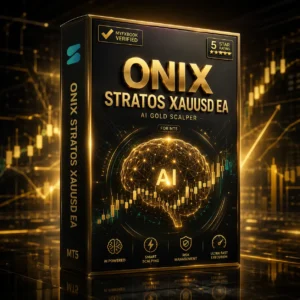
Onix Stratos XAUUSD EA: AI Smart Scalper for MT5
In stock
$0.00 $999.99Price range: $0.00 through $999.99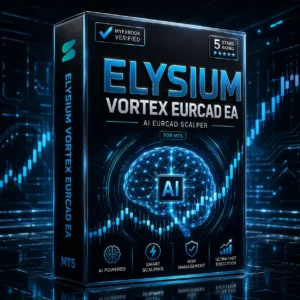
Elysium Vortex EURCAD EA: AI EURCAD Scalper for MT5
In stock
$0.00 $199.99Price range: $0.00 through $199.99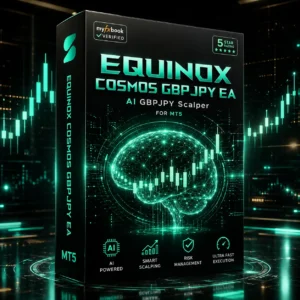
Equinox Cosmos GBPJPY EA: AI GBPJPY Scalper for MT5
In stock
$0.00 $399.99Price range: $0.00 through $399.99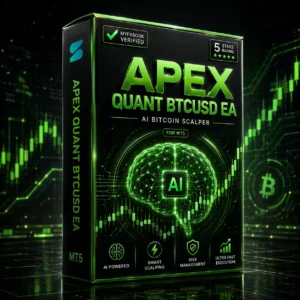
Apex Quant BTCUSD EA: AI Bitcoin Scalper for MT5
In stock
$0.00 $159.99Price range: $0.00 through $159.99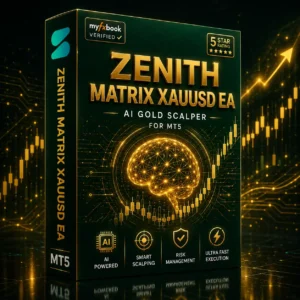
Zenith Matrix XAUUSD EA: AI Gold Scalper for MT5
In stock
$0.00 $899.99Price range: $0.00 through $899.99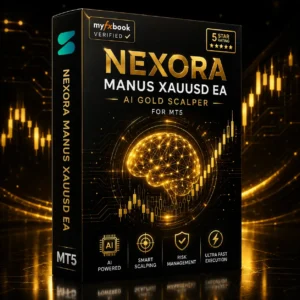
Nexora Manus XAUUSD EA: AI Gold Scalper for MT5
In stock
$0.00 $699.99Price range: $0.00 through $699.99
Mythos Epic XAUUSD EA: AI Gold Scalper for MT5
In stock
$0.00 $849.99Price range: $0.00 through $849.99
Obsidian Aether EURUSD EA: AI Grid Scalper for MT5
In stock
$0.00 $797.99Price range: $0.00 through $797.99
AVA AIGPT5 XAUUSD EA: AI Gold Scalper for MT4
In stock
$0.00 $679.99Price range: $0.00 through $679.99

Golden Deer Holy Grail Indicator (Lifetime Premium)
In stock
Original price was: $109.99.$87.99Current price is: $87.99.
Windows VPS for MT4 & MT5
In stock
$44.99 $359.99Price range: $44.99 through $359.99



 Gold Forex EA