

Journaling Your Trades for Continuous Improvement: A Trader’s Secret Weapon


Introduction:
In the fast-paced world of trading, where every decision counts and every market move matters, it’s easy to lose track of the reasons behind your choices and the lessons learned from your experiences. However, one of the most effective ways to gain clarity and improve as a trader is through journaling your trades. Not only does it help you understand your successes and failures, but it also fosters a disciplined approach to learning from both the good and the bad moments in the market.
Why Trading Journals Matter:
A trading journal serves as a personal log where traders document the specifics of each trade—what strategies were used, the emotions involved, what went well, and what could have been done better. Here’s why journaling is crucial:
- Reflection and Learning: Reviewing past trades helps you spot patterns in your decisions, both successful and unsuccessful, and extract valuable lessons.
- Emotional Control: Journals can uncover the emotional influences on trading decisions, helping traders understand how fear, greed, or overconfidence may have impacted performance.
- Accountability: Writing down your reasons for each trade helps keep you accountable to your trading plan and discipline.
- Optimizing Strategies: By documenting trade setups and outcomes, you can refine strategies, identifying which ones work best under certain market conditions.
What to Include in a Trading Journal:
To get the most out of your trading journal, it’s essential to include certain key elements. Here are some questions and points to consider:

- Trade Details:
- Date and time of the trade
- Entry and exit points
- Trade size and position
- Stop-loss and take-profit levels
- Asset or market traded (e.g., stocks, forex, cryptocurrency)
- Strategy Used:
- What strategy did you implement? (e.g., technical analysis, fundamental analysis, swing trading, day trading)
- Why did you choose that strategy for this specific trade?
- Market Conditions:
- What was the market trend at the time? (e.g., bullish, bearish, volatile)
- Were there any economic news events or reports that could have impacted the market?
- Emotions:
- How did you feel during the trade? Were you nervous, confident, impulsive, or patient?
- Did emotions affect your decision-making? If so, how?
- Outcome and Analysis:
- What was the result of the trade? (profit or loss)
- What went well and what didn’t?
- What did you learn from the trade that can improve your next decision?
Advanced Journaling Techniques for Improvement:
While basic journaling is helpful, there are advanced techniques traders can use to further improve their skills:
- Post-Trade Review Sessions: Dedicate time at the end of each week or month to review your journal entries in depth. Look for recurring mistakes or patterns, such as risk-taking behavior, poor timing, or overtrading.
- Visualization: Some traders use visual aids like charts and graphs to accompany their journal entries. This can help them visualize how a trade unfolded and connect the dots between strategy and outcomes.
- Set Specific Improvement Goals: Use your journal to set tangible improvement goals. For instance, if you notice emotional triggers influencing your trades, create a goal to work on emotional regulation during trading hours.
- Feedback Loop: Share your journal entries with a mentor, coach, or trading community. Feedback from others can help you see things from a different perspective and provide insights you might have missed.
The Benefits of Trading Journals for Long-Term Success:
- Better Decision-Making: As you accumulate more entries and insights into your trading decisions, you’ll develop an intuitive sense of what works and what doesn’t. This leads to more confident and informed decisions.
- Consistency and Discipline: A journal reinforces consistency and discipline in your trading routine, helping to remove emotional decision-making and impulsive trades.
- Track Record for Performance Evaluation: Journals provide a historical record of your trading journey, which can be useful for tracking long-term performance and identifying growth areas over time.
Conclusion:
Journaling your trades is not just a habit; it’s a crucial part of the journey to becoming a better, more disciplined trader. It offers deep insight into your decision-making process, helps regulate your emotions, and allows you to refine strategies over time. Whether you’re new to trading or a seasoned professional, consistently documenting your trades is a surefire way to accelerate improvement and achieve long-term success.


Most Popular Forex EA

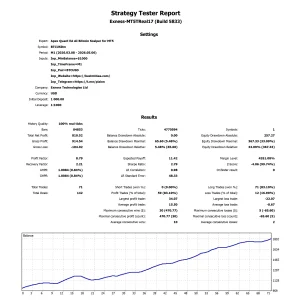
Apex Quant BTCUSD EA: AI Bitcoin Scalper for MT5
In stock
$0.00 $159.99Price range: $0.00 through $159.99

AVA AIGPT5 XAUUSD EA: AI Gold Scalper for MT4
In stock
$0.00 $679.99Price range: $0.00 through $679.99
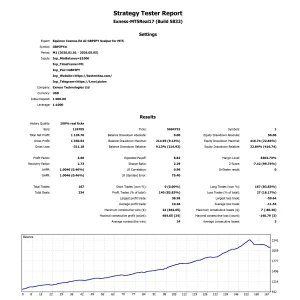
Elysium Vortex EURCAD EA: AI EURCAD Scalper for MT5
In stock
$0.00 $199.99Price range: $0.00 through $199.99
Equinox Cosmos GBPJPY EA: AI GBPJPY Scalper for MT5
In stock
$0.00 $199.99Price range: $0.00 through $199.99


Golden Deer Holy Grail Indicator (Lifetime Premium)
324 in stock
Original price was: $1,861.99.$187.99Current price is: $187.99.
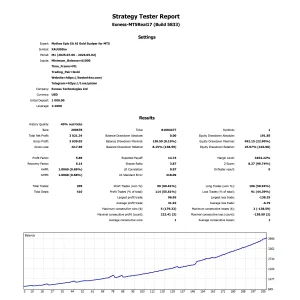
Mythos Epic XAUUSD EA: AI Gold Scalper for MT5
In stock
$0.00 $849.99Price range: $0.00 through $849.99
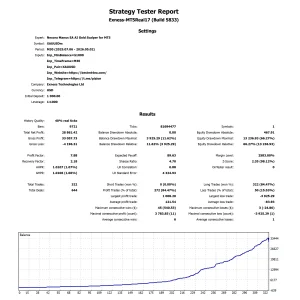
Nexora Manus XAUUSD EA: AI Gold Scalper for MT5
In stock
$0.00 $699.99Price range: $0.00 through $699.99
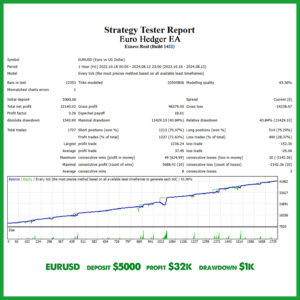
Obsidian Aether EURUSD EA: AI Grid Scalper for MT5
49 in stock
$0.00 $797.99Price range: $0.00 through $797.99
Powerful Forex VPS for MT4 & MT5 – Best Price
182 in stock
$44.99 $359.99Price range: $44.99 through $359.99

Top 2000 Trading Tools for Forex Success (EA & Indicator)
In stock
Original price was: $9,999.99.$0.00Current price is: $0.00.
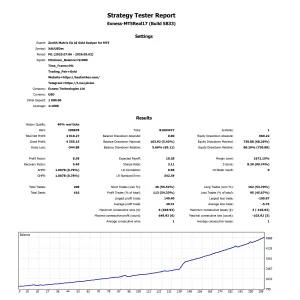
Zenith Matrix XAUUSD EA: AI Gold Scalper for MT5
In stock
$0.00 $899.99Price range: $0.00 through $899.99