
Overtrading Prevention Strategies for Traders


Overtrading is one of the most common pitfalls that traders face, regardless of their experience or market knowledge. While trading can be a lucrative endeavor, excessive trading—often driven by emotion rather than strategy—can erode profits and lead to substantial losses. Implementing effective overtrading prevention strategies for traders is essential for sustaining long-term success and protecting capital. This article explores practical strategies, psychological insights, and risk management techniques that help traders avoid overtrading while maintaining discipline.
Understanding Overtrading
What is Overtrading?
Overtrading occurs when a trader executes too many trades or risks excessive capital in pursuit of profit, often beyond what their strategy or plan dictates. It is typically driven by emotional impulses, such as fear, greed, or frustration, rather than careful analysis. Overtrading can happen in any market—stocks, forex, crypto, or commodities—and is usually a symptom of poor trading discipline.
Signs and Symptoms of Overtrading
Recognizing overtrading early is crucial. Common signs include:
- Trading more frequently than planned.
- Ignoring predefined entry and exit criteria.
- Experiencing fatigue and stress due to constant market monitoring.
- Taking larger positions than normal, increasing risk unnecessarily.
- Emotional reactions to small market movements or news.
Psychological Causes of Overtrading
Psychology plays a central role in overtrading. Key causes include:
- FOMO (Fear of Missing Out): Feeling compelled to jump into trades without proper analysis.
- Revenge Trading: Trying to recover losses quickly by making impulsive trades.
- Overconfidence: Believing you can “beat the market” after a few wins.
- Impatience: Difficulty waiting for optimal setups.
Financial Consequences
The financial impact of overtrading can be severe:
- Rapid capital depletion due to transaction costs and losses.
- Reduced profit margins.
- Increased exposure to market volatility.
- Psychological stress leading to poor decision-making and burnout.
Common Triggers Leading to Overtrading
Emotional Trading and FOMO
Traders often make impulsive decisions due to the excitement of potential profits. FOMO encourages jumping into positions without proper analysis, increasing risk.
Revenge Trading After Losses
After a losing trade, many traders attempt to recover their losses immediately, often making larger, less calculated trades. This behavior perpetuates losses rather than mitigating them.
Overconfidence After Wins
Winning streaks can inflate a trader’s confidence, leading to overestimating skill and trading beyond strategic limits.

Market Noise and News Reactivity
Reacting impulsively to news, rumors, or minor market fluctuations often leads to unnecessary trades. Avoiding the temptation to trade every signal is crucial.
Risk Management Techniques to Prevent Overtrading
Setting Daily and Weekly Trading Limits
Define the maximum number of trades and capital exposure per day or week. These limits act as a safeguard against impulsive behavior.
Position Sizing and Capital Allocation
Carefully allocate a percentage of total capital to each trade, avoiding the temptation to risk too much in any single position.
Stop-Loss and Take-Profit Rules
Implement strict stop-loss and take-profit rules to protect gains and prevent catastrophic losses.
Avoiding Leverage Abuse
Excessive leverage magnifies both profits and losses. Using leverage conservatively helps prevent emotional trading and overexposure.
Trading Plan Development
Importance of a Well-Structured Trading Plan
A robust trading plan provides clarity, discipline, and measurable goals. It is the cornerstone of preventing overtrading.
Defining Entry and Exit Criteria
Clear criteria for entering and exiting trades prevent impulsive decisions and unnecessary trades.
Predefining Trading Frequency
Decide in advance how many trades you will take per day or week, based on your strategy and market conditions.
Maintaining a Trading Journal
Documenting every trade—including rationale, emotional state, and outcome—enhances self-awareness and discourages overtrading.
Emotional and Psychological Control
Mindfulness and Stress Management
Practices such as meditation, deep breathing, or regular breaks reduce stress and prevent emotionally-driven trades.
Avoiding Impulsive Decisions
Pause before each trade. Ask yourself if the trade aligns with your plan or is a reaction to emotion.
Handling Losses Calmly
Accept that losses are part of trading. Avoid revenge trading or chasing profits to recover losses.
Building Patience and Discipline
Successful traders cultivate patience and adhere to strategies even when the market tempts them to act impulsively.
Technology and Tools to Aid Prevention
Trading Platforms with Alerts and Notifications
Many platforms provide customizable alerts to help traders stick to their plan and avoid unnecessary trades.
Automated Trading and Bots
Algorithmic trading systems can enforce discipline by executing trades based on predetermined rules.

Analytical Tools for Decision Support
Charts, indicators, and statistical analysis reduce guesswork and emotional decision-making.
Setting Realistic Goals
Profit Expectations vs. Market Realities
Avoid expecting unrealistic returns. Focus on consistent growth rather than quick wins.
Understanding Risk-Reward Ratios
Prioritize trades with favorable risk-reward ratios to prevent reckless trading.
Avoiding Chasing the Market
Do not force trades to meet arbitrary targets. Let setups align with your plan.
Education and Continuous Learning
Learning from Experienced Traders
Study the techniques and mistakes of professional traders to understand discipline in practice.
Understanding Market Behavior
Market analysis and pattern recognition improve decision-making, reducing impulsive trades.
Reading Financial Psychology Books
Books on trading psychology help identify emotional triggers and strategies to counteract them.
Community Support and Accountability
Joining Trading Communities
Engaging with peers provides feedback, guidance, and encouragement to stick to strategies.
Peer Reviews and Mentorship
Mentors can provide accountability, helping prevent impulsive decisions.
Accountability Partners
Having someone to review trades fosters discipline and adherence to the trading plan.
Practical Daily Routines for Traders
Pre-Market Preparation
Review market conditions, economic news, and potential setups before trading.
End-of-Day Reviews
Analyze your trades, evaluate mistakes, and record lessons learned.
Scheduled Breaks to Prevent Fatigue
Avoid trading when tired. Mental clarity is crucial to prevent overtrading.
Advanced Strategies
Algorithmic Trading for Discipline
Automated systems enforce rules and prevent impulsive trades.

Backtesting Trading Strategies
Testing strategies against historical data ensures reliability and reduces emotional trading.
Using Probabilistic Models to Avoid Overtrading
Quantitative models identify high-probability trades, reducing unnecessary exposure.
Case Studies of Overtrading and Prevention
Lessons from Professional Traders
Many successful traders emphasize discipline, journaling, and strategic limits to prevent overtrading.
Real-Life Examples of Overtrading Losses
Overtrading has caused significant financial setbacks in both forex and stock markets. Learning from these examples highlights the importance of discipline.
How Strategies Successfully Prevented Overtrading
Traders using strict plans, automated alerts, and accountability systems consistently outperform those trading impulsively.
Frequently Asked Questions (FAQs)
1. What is the best way to avoid overtrading?
Implement strict trading rules, maintain a journal, set daily trade limits, and follow a well-defined plan.
2. Can overtrading be profitable?
Occasionally, traders may profit from overtrading, but it’s unsustainable and risky in the long term.
3. How do trading journals help prevent overtrading?
They increase self-awareness, track performance, and highlight emotional triggers that lead to unnecessary trades.
4. What role does psychology play in overtrading?
Emotional impulses like fear, greed, and revenge can drive overtrading. Psychological control is essential to discipline.
5. Are automated tools effective in preventing overtrading?
Yes. Algorithmic systems enforce rules and reduce impulsive trades.
6. How many trades per day are considered overtrading?
There is no fixed number; it depends on your strategy and capital. Overtrading occurs when trading frequency exceeds your plan and risk limits.
Conclusion
Preventing overtrading is less about avoiding trades entirely and more about making informed, disciplined, and strategic decisions. By understanding psychological triggers, setting strict limits, leveraging technology, and maintaining a well-structured trading plan, traders can safeguard capital and achieve consistent long-term growth. Discipline, patience, and continuous learning are the cornerstones of avoiding overtrading, ultimately allowing traders to maximize profits without succumbing to the pitfalls of impulsive behavior.
Most Popular Forex EA

Onix Stratos XAUUSD EA: AI Smart Scalper for MT5
In stock
$0.00 $999.99Price range: $0.00 through $999.99
Elysium Vortex EURCAD EA: AI EURCAD Scalper for MT5
In stock
$0.00 $199.99Price range: $0.00 through $199.99
Equinox Cosmos GBPJPY EA: AI GBPJPY Scalper for MT5
In stock
$0.00 $399.99Price range: $0.00 through $399.99
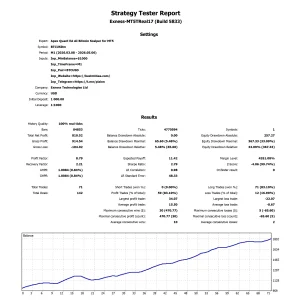
Apex Quant BTCUSD EA: AI Bitcoin Scalper for MT5
In stock
$0.00 $159.99Price range: $0.00 through $159.99
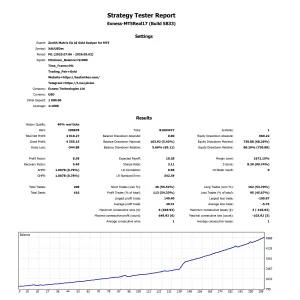
Zenith Matrix XAUUSD EA: AI Gold Scalper for MT5
In stock
$0.00 $899.99Price range: $0.00 through $899.99
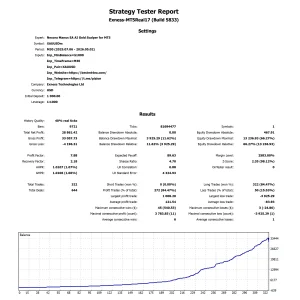
Nexora Manus XAUUSD EA: AI Gold Scalper for MT5
In stock
$0.00 $699.99Price range: $0.00 through $699.99
Mythos Epic XAUUSD EA: AI Gold Scalper for MT5
In stock
$0.00 $849.99Price range: $0.00 through $849.99

Obsidian Aether EURUSD EA: AI Grid Scalper for MT5
In stock
$0.00 $797.99Price range: $0.00 through $797.99

AVA AIGPT5 XAUUSD EA: AI Gold Scalper for MT4
In stock
$0.00 $679.99Price range: $0.00 through $679.99


Golden Deer Holy Grail Indicator (Lifetime Premium)
In stock
Original price was: $109.99.$87.99Current price is: $87.99.
Powerful Forex VPS for MT4 & MT5 – Best Price
In stock
$44.99 $359.99Price range: $44.99 through $359.99



 Gold Forex EA