
Risk Management Tips for Day Traders Using Stop-Loss Orders


Day trading is a high-risk, high-reward activity, requiring sharp decision-making and strategic planning. One of the most effective tools for managing risk in day trading is the stop-loss order. A stop-loss order automatically triggers the sale of a security when its price reaches a predetermined level, helping to limit potential losses. While stop-loss orders are a crucial component of risk management, using them effectively is key to protecting your capital and minimizing unwanted exposure. Here are some essential risk management tips for day traders using stop-loss orders:
1. Set Stop-Loss Levels Based on Technical Analysis
The most effective stop-loss orders are those based on technical analysis rather than arbitrary price points. For example:
- Support and Resistance Levels: Identify key support and resistance levels on the chart. Setting your stop-loss slightly below a support level (for a long position) or above a resistance level (for a short position) can give the trade room to breathe while still protecting you from significant losses if the price moves against you.
- Volatility-Based Stop-Losses: Another method is using indicators like the Average True Range (ATR). ATR calculates market volatility, and setting your stop-loss based on the ATR allows for adjustments based on the current market conditions.
2. Use a Fixed Percentage or Dollar Amount for Stop-Losses
For traders who prefer a more straightforward approach, setting a fixed percentage or a dollar amount for your stop-loss can simplify risk management. This involves determining how much of your account balance you’re willing to risk on a single trade. A common rule of thumb is to risk no more than 1-2% of your trading capital per trade.
For example, if you have a $10,000 account, a 1% risk would mean setting a stop-loss that would limit your loss to $100 per trade. If your trade moves against you and the loss hits $100, the stop-loss will trigger and automatically exit the position.
3. Adjust Stop-Losses as the Trade Moves in Your Favor
Once a trade begins moving in your favor, it’s crucial to adjust your stop-loss to lock in profits and reduce risk. This is often referred to as a trailing stop-loss. Trailing stops allow you to lock in profits while still giving the trade room to continue its upward (or downward) movement.

- For example, if the stock price rises, you can raise your stop-loss to the new price level, ensuring that if the price reverses, you will exit the trade with some profit.
4. Avoid Setting Stop-Losses Too Tight
While it can be tempting to set a tight stop-loss to minimize losses, doing so can backfire in volatile markets. The price of an asset might naturally fluctuate within a certain range before continuing in your favor. Setting a stop-loss too close to the entry point increases the likelihood of being stopped out prematurely due to normal price movements.
To avoid this pitfall:
- Allow some flexibility in your stop-loss to accommodate typical market noise.
- Consider the average price movement of the asset you are trading and use it as a guideline for determining the stop-loss distance.
5. Avoid Overusing Stop-Losses in Thinly Traded Markets
In markets with low liquidity or significant spreads, stop-loss orders can be prone to slippage. Slippage occurs when the market price jumps over the stop-loss price, resulting in a larger-than-expected loss. In such markets, it might be better to:
- Use mental stop-losses, where you monitor the trade actively and exit manually if the market conditions change or the price hits a certain level.
- Use limit orders instead of stop orders, which can provide more control over exit prices, especially when dealing with illiquid assets.
6. Combine Stop-Losses with Other Risk Management Tools
While stop-loss orders are valuable, they should be part of a broader risk management strategy:
- Position Sizing: Never risk more than a predetermined percentage of your account on a single trade. Adjust your position size based on how close your stop-loss is to your entry price. This ensures that even if your stop-loss is hit, you won’t lose more than a set amount.
- Risk-to-Reward Ratio: Aim for a minimum risk-to-reward ratio of 1:2. This means that for every $1 you risk, you should aim to make at least $2 in profit. A favorable risk-to-reward ratio ensures that even with a lower win rate, you can still be profitable in the long run.
- Diversification: Don’t put all your capital into a single trade. Spread your risk across multiple trades to reduce the impact of a single loss.
7. Use Stop-Loss Orders for Mental Discipline
One of the most powerful aspects of using stop-loss orders is the mental discipline they impose. When you set a stop-loss order, you are committing to a trade plan and avoiding emotional decision-making during periods of market volatility. It’s easy to become attached to a position or to hold out hope that the market will reverse, but a stop-loss forces you to accept the reality of the market and cut losses when necessary.

Powerful Forex VPS for MT4 & MT5 – Best Price
182 in stock
$44.99 $359.99Price range: $44.99 through $359.99| Validity | Monthly, Quarterly, Semi Annually, Annually |
|---|
To stay disciplined:
- Set your stop-loss before entering the trade. This removes the temptation to change the stop-loss based on emotions.
- Honor your stop-loss and avoid the temptation to move it in hopes of a reversal, as this often leads to larger losses.
8. Monitor News and Market Events
Sometimes, a stop-loss is not enough to protect against extreme market moves caused by unexpected news or events. While no trading strategy can fully eliminate risk, staying informed can help you make better decisions.
- Before entering trades, check for any scheduled news releases, earnings reports, or other events that could create volatility.
- Consider avoiding trades during major market events or using wider stop-losses if you choose to stay in the market.
Conclusion
Using stop-loss orders effectively is a cornerstone of sound risk management in day trading. Setting well-thought-out stop-loss levels, adjusting them as the trade progresses, and combining them with other risk management tools can help protect your capital and improve your chances of long-term success. Always be aware that no strategy is foolproof, but employing discipline and risk management techniques such as stop-loss orders can significantly improve your overall performance and reduce unnecessary losses in the fast-paced world of day trading.


Most Popular Forex EA

Apex Quant BTCUSD EA: AI Bitcoin Scalper for MT5
In stock
$0.00 $159.99Price range: $0.00 through $159.99

AVA AIGPT5 XAUUSD EA: AI Gold Scalper for MT4
In stock
$0.00 $679.99Price range: $0.00 through $679.99
Elysium Vortex EURCAD EA: AI EURCAD Scalper for MT5
In stock
$0.00 $199.99Price range: $0.00 through $199.99
Equinox Cosmos GBPJPY EA: AI GBPJPY Scalper for MT5
In stock
$0.00 $199.99Price range: $0.00 through $199.99


Golden Deer Holy Grail Indicator (Lifetime Premium)
324 in stock
Original price was: $1,861.99.$187.99Current price is: $187.99.
Mythos Epic XAUUSD EA: AI Gold Scalper for MT5
In stock
$0.00 $849.99Price range: $0.00 through $849.99
Nexora Manus XAUUSD EA: AI Gold Scalper for MT5
In stock
$0.00 $699.99Price range: $0.00 through $699.99
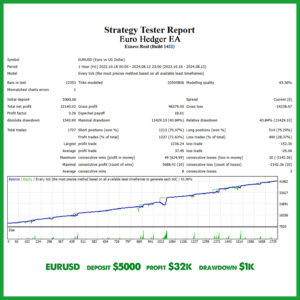
Obsidian Aether EURUSD EA: AI Grid Scalper for MT5
47 in stock
$0.00 $797.99Price range: $0.00 through $797.99
Onix Stratos XAUUSD EA: AI Smart Scalper for MT5
In stock
$349.00 $999.00Price range: $349.00 through $999.00
Powerful Forex VPS for MT4 & MT5 – Best Price
182 in stock
$44.99 $359.99Price range: $44.99 through $359.99

Top 2000 Trading Tools for Forex Success (EA & Indicator)
In stock
Original price was: $99.99.$0.00Current price is: $0.00.
 Gold Forex EA