
The Carbon Footprint of Forex Brokers: Powerful Insights for a Greener Trading Future



The carbon footprint of forex brokers is becoming a major conversation in the global financial world. Even though forex trading happens online, the systems behind it use huge amounts of energy. From powerful servers to cloud platforms and global office networks, the environmental impact is far greater than most traders realize. In this article, we explore the true footprint of forex firms and how the industry can shift toward sustainability.
Understanding the Carbon Footprint of Forex Brokers
What “Carbon Footprint” Really Means in the Financial Industry
A carbon footprint refers to the total greenhouse gases produced directly or indirectly by a company. For forex brokers, this includes electricity for servers, office operations, travel, digital infrastructure, and more. As trading becomes increasingly automated, the energy demands rise even faster.
Why Forex Brokers Have Higher Environmental Impact Than Expected
Many traders assume digital trading is eco-friendly, but behind every order lies a complex network of servers, liquidity providers, and high-speed connections. These systems run 24/5, often requiring cooling systems and backup power that add to emissions. As trading volumes grow, so does the industry’s carbon output.
Key Sources of Carbon Emissions in Forex Brokerage Operations
Data Centers and Trading Servers
Data centers are by far the largest contributors to the carbon footprint of forex brokers. They power real-time price feeds, order execution systems, and risk-management tools.
High-frequency trading and energy consumption
High-frequency trading (HFT) firms use advanced servers that process thousands of orders per second. Their energy consumption is significantly higher due to constant computational demand and cooling needs.
Office Operations and Technology Infrastructure
Broker offices often use dozens or even hundreds of computers, screens, servers, routers, and electronic devices. Lighting, heating, and cooling also add up quickly.
Employee Travel, Conferences, and Remote Work Patterns
Although remote work reduces travel emissions, international conferences, training sessions, and office commutes continue to contribute meaningfully.
Third-Party Trading Tools and External Service Providers
MT4/MT5 hosting, CRM providers, payment gateways, and liquidity providers each maintain their own servers—adding layers of indirect emissions.
Environmental Challenges Faced by Forex Brokers
The Hidden Impact of 24/7 Market Activity
Forex markets never sleep, and neither do the systems that support them. Continuous uptime requires continuous power.
The Growing Demand for Cloud Computing in Trading
Cloud platforms improve performance but require massive energy. Unless cloud vendors use renewable energy, emissions remain high.
How Forex Brokers Can Reduce Their Carbon Footprint
Switching to Renewable-Energy-Powered Data Centers
Many brokers are beginning to migrate to green data centers that use solar, wind, or hydro energy.
Partnering with eco-certified server providers
Providers with ISO-certified sustainability practices can reduce a broker’s carbon output dramatically.
Implementing Energy-Efficient Office Policies
Simple actions—LED lighting, energy-efficient equipment, hybrid work models—lower emissions and reduce costs.
Promoting Sustainable Trading Practices for Clients
Brokers can encourage reduced unnecessary trade frequency, cloud-based reporting, and paperless document workflows.
Carbon Footprint of Forex Brokers: Industry Benchmarks and Trends
Current ESG Expectations from Global Regulators
Global finance regulators are pushing for transparency in reporting emissions. ESG scoring is becoming standard for financial firms.

Comparison of Green Initiatives Among Major Brokers
Some large brokers already publish sustainability reports, while smaller firms are slowly adopting eco-friendly measures.
Tools and Metrics Used to Measure the Carbon Footprint of Forex Brokers
ISO Standards and Sustainability Certifications
ISO 14064 helps measure greenhouse gas emissions. LEED certifications apply to green office buildings.
Carbon Accounting Platforms Used in Finance
Tools like Carbon Analytics and Net Zero Cloud help brokers track energy use and emissions to improve reporting.
Benefits of Reducing the Carbon Footprint of Forex Brokers
Enhanced Brand Trust and Investor Confidence
Traders increasingly prefer brokers committed to sustainability. A strong ESG profile boosts reputation.
Long-Term Cost Savings Through Energy Efficiency
Lower energy use means lower bills. Green offices and efficient servers save money over time.
Improved Competitiveness in a Green-Focused Market
As climate awareness rises, brokers with sustainable practices gain a significant advantage.
How Traders Can Choose Eco-Friendly Forex Brokers
Key Sustainability Indicators to Look For
- Renewable-powered data centers
- Public ESG reports
- Digital-first document policies
- Carbon transparency commitments
Questions Traders Should Ask Before Opening an Account
- Does the broker publish environmental reports?
- Are their servers powered by renewable energy?
- Do they support paperless onboarding?
Common Myths About the Carbon Footprint of Forex Brokers
Myth: “Digital Trading Has No Environmental Impact”
Even digital operations require physical servers with large energy consumption.
Myth: “Only Large Brokers Produce Significant Emissions”
Small brokers often rely on inefficient hosting providers, which can increase emissions per user.
Future of Sustainability in the Forex Trading Industry
AI-Driven Energy Optimization
AI can reduce server load, cut energy waste, and optimize cooling systems.

Blockchain Transparency for ESG Reporting
Blockchain can help verify sustainability claims and track energy use in real time.
FAQs About the Carbon Footprint of Forex Brokers
1. Why do forex brokers have such large carbon footprints?
Because of energy-intensive data centers, trading servers, and office operations.
2. Can traders influence a broker’s sustainability efforts?
Yes—traders choosing green brokers motivates industrywide change.
3. Are renewable-powered forex brokers available?
A growing number of brokers now use renewable-powered servers.
4. What’s the biggest contributor to emissions?
Data centers and high-frequency trading systems.
5. How can brokers reduce emissions quickly?
Migrating to green servers and implementing remote work are the fastest ways.
6. Where can I learn more about sustainable fintech?
Visit: https://www.unepfi.org (United Nations Environment Programme Finance Initiative).
Conclusion
The carbon footprint of forex brokers is an increasingly important issue in a world moving toward greener, more responsible financial systems. Brokers who adopt eco-friendly practices not only reduce emissions but also build trust, cut costs, and future-proof their business. As technology evolves, sustainability will play a major role in shaping the future of forex trading.
Most Popular Forex EA
Onix Stratos XAUUSD EA: AI Smart Scalper for MT5
In stock
$0.00 $999.99Price range: $0.00 through $999.99
Elysium Vortex EURCAD EA: AI EURCAD Scalper for MT5
In stock
$0.00 $199.99Price range: $0.00 through $199.99
Equinox Cosmos GBPJPY EA: AI GBPJPY Scalper for MT5
In stock
$0.00 $399.99Price range: $0.00 through $399.99
Apex Quant BTCUSD EA: AI Bitcoin Scalper for MT5
In stock
$0.00 $159.99Price range: $0.00 through $159.99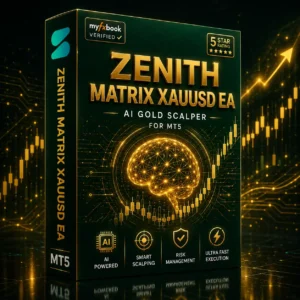
Zenith Matrix XAUUSD EA: AI Gold Scalper for MT5
In stock
$0.00 $899.99Price range: $0.00 through $899.99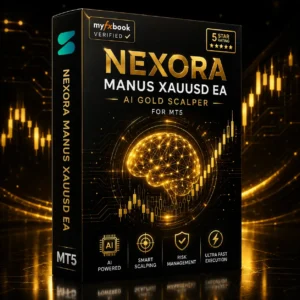
Nexora Manus XAUUSD EA: AI Gold Scalper for MT5
In stock
$0.00 $699.99Price range: $0.00 through $699.99
Mythos Epic XAUUSD EA: AI Gold Scalper for MT5
In stock
$0.00 $849.99Price range: $0.00 through $849.99
Obsidian Aether EURUSD EA: AI Grid Scalper for MT5
In stock
$0.00 $797.99Price range: $0.00 through $797.99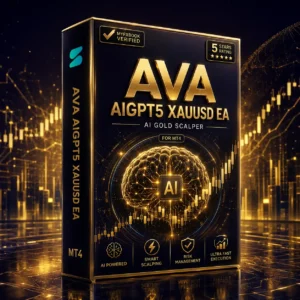
AVA AIGPT5 XAUUSD EA: AI Gold Scalper for MT4
In stock
$0.00 $679.99Price range: $0.00 through $679.99

Golden Deer Holy Grail Indicator (Lifetime Premium)
In stock
Original price was: $109.99.$87.99Current price is: $87.99.
Windows VPS for MT4 & MT5
In stock
$44.99 $359.99Price range: $44.99 through $359.99



 Gold Forex EA