

Top 10 Powerful Free Video Tutorials for Forex Candlestick Patterns (Beginner’s Guide)


Understanding Forex Candlestick Patterns: The Foundation
Candlestick charts are one of the most popular ways to read price action in forex. Instead of just showing a line, each candle tells a story about how buyers and sellers fought during a specific period. Many professional traders still rely on candlestick patterns to spot potential reversals or continuations in the market. Investopedia+1
What Are Candlestick Charts and Why Do Traders Use Them?
A candlestick chart shows how price moved in a chosen time frame, such as 1 minute, 1 hour, or 1 day. Each candle displays four main pieces of information:
- Where price opened
- Where price closed
- The highest point it reached
- The lowest point it reached
Traders love candlesticks because they’re easy to read. At a glance, you can see if buyers were in control (bullish candle) or if sellers dominated (bearish candle). Over time, specific shapes and combinations, called candlestick patterns, tend to repeat and can hint at future price direction.
Key Parts of a Candlestick: Open, High, Low, Close
Each candlestick has:
- Body – the thick part between open and close
- Wicks (or shadows) – thin lines showing the high and low beyond the body
- Color – often green/white for bullish, red/black for bearish
If the close is above the open, the candle is bullish. If the close is below the open, the candle is bearish. Understanding this basic structure makes it much easier to follow free video tutorials for forex candlestick patterns, because you’ll know what the instructor is pointing at on the chart.
Bullish vs Bearish Candles in Forex
- Bullish candle: Buyers pushed the price up during the time period.
- Bearish candle: Sellers pushed the price down.
Patterns built from these candles, like a hammer, engulfing pattern, or doji, can warn you that a trend might be ending or continuing. That’s why learning candlesticks early is a smart move for any trader.
Why Free Video Tutorials for Forex Candlestick Patterns Are So Valuable
Learning from text alone can be tough. Forex trading is visual, and candlesticks are all about recognizing shapes and context. That’s where free video tutorials for forex candlestick patterns really shine.
Visual Learning: Seeing Patterns Form in Real Time
In a good video, you’ll see:
- How a pattern forms candle by candle
- Where the pattern appears in the trend
- How price reacts after the pattern completes
Watching candles form on live or replayed charts helps your brain connect theory with real price movement.
How Video Tutorials Speed Up Your Learning Curve
Video lessons can:
- Give you live examples instead of static images
- Teach you how to use trading platforms like MT4/MT5 or TradingView
- Show you how experienced traders think while a candle is still forming
Instead of guessing, you follow along with someone who has already made the mistakes. That can save you time, money, and frustration.
Common Mistakes Beginners Avoid by Watching Video Lessons
Good free videos often warn about:
- Trading every single candlestick pattern without context
- Ignoring support and resistance
- Using huge position sizes because a pattern “looks perfect”
- Believing that one pattern is “guaranteed to work”
Hearing these warnings again and again helps you build safer habits from the start.
Core Candlestick Patterns Every Beginner Must Know
There are many candlestick patterns, but you don’t need to memorize them all. Focus first on the most common and useful ones that many educational sites and brokers highlight. Babypips.com+1
Single Candlestick Patterns: Doji, Hammer, Shooting Star
- Doji: Open and close are almost the same. It shows indecision.
- Hammer: Small body near the top with a long lower wick. Appears after a downtrend and can signal a bullish reversal.
- Shooting Star: Small body near the bottom with a long upper wick. Appears after an uptrend and can signal a bearish reversal.
Most free video tutorials will walk you through dozens of examples of these patterns so you know when they matter and when they don’t.
Double Candlestick Patterns: Engulfing, Tweezer Tops and Bottoms
- Bullish engulfing: A strong bullish candle fully covers the previous bearish candle’s body.
- Bearish engulfing: A strong bearish candle covers the previous bullish body.
- Tweezer top / bottom: Two candles with similar highs (top) or lows (bottom), hinting at strong rejection at that price.
These patterns become much easier to understand when you see them appear on video over different pairs and timeframes.
Triple and Complex Patterns: Morning Star, Evening Star, Three Soldiers
- Morning Star: Bearish candle, then small indecisive candle, then strong bullish candle. Often a bullish reversal sign.
- Evening Star: The opposite, often a bearish reversal sign.
- Three white soldiers / three black crows: Three strong bullish or bearish candles in a row, showing strong momentum.
You don’t have to master them all on day one, but you should be familiar enough to recognize them when you see them in tutorials.
How to Choose Quality Free Video Tutorials for Forex Candlestick Patterns
Not all free content is good content. Some videos are just hype, while others are solid and educational.
Signs of a Trustworthy Forex Educator on Video Platforms
Look for:

- Clear risk warnings and realistic expectations
- Clean chart setups, not cluttered with dozens of indicators
- Step-by-step explanations, not just “Buy here, sell here”
- A focus on education, not “get rich quick” promises
Educators who reference well-known concepts and sources (like classic candlestick books or respected sites such as Investopedia) are usually more reliable. Investopedia+1
Red Flags: What to Avoid When Learning from Free Content
Be careful with videos that:
- Promise “guaranteed profits” or “100% win rate”
- Show only winning trades, never losses
- Push you hard to sign up for a shady broker or huge paid course
- Have no explanation, only signals
Remember, your goal is to build skills, not chase signals.
Matching Video Difficulty Level to Your Trading Experience
If you’re a beginner, start with:
- “Introduction to candlesticks”
- “Basic forex candlestick patterns”
- “How to read candlestick charts”
Once you’re comfortable, move to “advanced candlestick strategies” and multi-timeframe or price-action videos.
Step-by-Step Study Plan Using Free Video Tutorials
Here’s a simple 3-week plan you can follow using only free videos and a demo account.
Week 1: Learning the Basics of Candlesticks
- Watch videos on candlestick structure and basic bullish/bearish candles.
- Pause often and copy what you see using your own charting platform.
- Learn names and shapes of key patterns (hammer, doji, engulfing, etc.).
- Don’t trade yet—just observe and label patterns on historical charts.
Week 2: Practicing Key Patterns on Charts
- Watch videos where the instructor marks patterns on past charts.
- Open the same currency pairs and timeframes and try to spot them yourself.
- Take screenshots and add notes like: “Bullish hammer at support, uptrend continued.”
- Begin placing very small demo trades based on simple rules you’ve learned.
Week 3 and Beyond: Combining Patterns with Support, Resistance, and Trends
- Shift to videos that mix candlesticks with support/resistance levels.
- Learn to ask: “Where is this pattern forming? At a key level or in the middle of nowhere?”
- Refine your rules. For example: “I only take bullish engulfing patterns at support, with trend.”
- Keep using demo until you can follow your rules without breaking them.
Using free video tutorials for forex candlestick patterns within a clear plan makes your learning structured instead of random.
Top Places to Find Free Video Tutorials for Forex Candlestick Patterns
You don’t have to search blindly. Some common sources consistently offer solid content.
YouTube Channels and Playlists for Candlestick Education
YouTube is packed with:
- Full beginner playlists on candlestick basics
- Live trading sessions where traders explain patterns in real time
- Recorded webinars and classes from brokers and educators
Look for channels that publish regularly, have decent production quality, and show both winning and losing trades.
Broker Education Centers and Webinars
Many regulated brokers provide:
- Free video courses
- Webinars on candlestick trading
- Recorded sessions with Q&A
These can be more structured than random videos and often connect candlesticks with risk management and platform use.
Combining Videos with Written Guides and PDFs
Videos are great, but pairing them with written material deepens your understanding. For example, you can complement your videos with written guides on candlestick patterns from reputable education sites like Babypips. Babypips.com
Helpful external resource: You can read step-by-step candlestick tutorials on Babypips’ free education section while replaying what you learn on charts.
Practicing What You Learn from Video Tutorials
Watching videos isn’t enough. You need hands-on practice.
Using Demo Accounts to Test Candlestick Setups
- Open a demo account with your broker.
- Only trade patterns you’ve studied and understand.
- Treat the demo as if it’s real money—use realistic position sizes.
This lets you apply what you see in tutorials without financial risk.
Journaling Your Trades and Pattern Screenshots
Create a simple trading journal:
- Date and time
- Pair and timeframe
- Pattern you traded
- Screenshot before and after
- Result and what you learned
Over time, your journal becomes your personal “candlestick textbook.”
Building Simple Rules Around Your Favorite Patterns
For example:
- “I trade bullish engulfing patterns only in an uptrend, near support, with stop loss below the pattern.”
- “I avoid trading during major news releases, even if the pattern looks perfect.”
Simple, clear rules help you stay disciplined.
Risk Management When Trading Candlestick Patterns
Even the best pattern can fail. That’s why risk management is critical.
Setting Stop Losses Based on Candle Structure
You can place a stop loss:
- Below the low of a bullish pattern (like a hammer)
- Above the high of a bearish pattern (like a shooting star)
This way, if the market proves the pattern “wrong,” you’re automatically protected.
Position Sizing So One Pattern Doesn’t Blow Your Account
Many traders risk only 1–2% of their account per trade. That way, a losing streak doesn’t wipe them out. No matter how confident you feel, never risk a huge chunk of your account on a single pattern.
Why No Candlestick Pattern Is 100% Accurate
Markets are influenced by news, big players, and random events. Patterns are tools, not magic. The goal is not to be perfect, but to:
- Win more than you lose or
- Make more on your winners than you lose on your losers
Good free video tutorials for forex candlestick patterns will remind you of this reality again and again.
Advanced Tips: Going Beyond Basic Candlestick Videos
Once you’ve mastered the basics, you can move to more advanced topics.
Adding Indicators to Confirm Candlestick Signals
Common confirmations include:
- Moving averages (to define trend)
- RSI or Stochastic (to check overbought/oversold conditions)
- Volume (in markets where it’s reliable)
You’re not required to use indicators, but they can help filter out weak patterns.
Multi-Timeframe Analysis with Candlestick Patterns
For example:
- Check the 4H chart for the trend and major levels.
- Look for patterns on the 1H chart at those levels.
This helps you avoid trading tiny patterns against a strong higher-timeframe trend.
Backtesting Your Pattern Strategy
You can:
- Scroll back on your charts
- Mark every time your pattern appears
- Note what happened after
This manual backtesting gives you confidence and realistic expectations.
Frequently Asked Questions About Free Video Tutorials for Forex Candlestick Patterns
1. Can I learn forex trading only from free candlestick videos?
You can learn a lot from free candlestick videos, especially about reading charts and understanding price action. However, trading success also needs risk management, psychology, and a solid trading plan. Use free videos as a foundation, but don’t stop there—read articles, books, and practice consistently.
2. How long will it take to see results in my trading?
It depends on how often you study and practice. Some people feel more confident after a few weeks of focused learning. For most traders, it takes several months of demo trading to build a reliable candlestick-based approach. Be patient and treat it like learning a real skill, not a quick trick.
3. Are candlestick patterns still relevant in today’s market?
Yes. Candlestick patterns are based on human behavior—fear, greed, and reaction to news. Even with algorithms in the markets, these behaviors still appear in price action. Many modern guides and broker articles continue to teach candlestick analysis as a core skill. FP Markets+1
4. Do I need paid courses after watching free videos?
Not always. Many traders become profitable using only free resources, including free video tutorials for forex candlestick patterns, broker education, and demo practice. A paid course can be helpful if it’s from a reputable educator and offers structure, support, and clear, practical methods—but it’s not a requirement.
5. What timeframe is best for trading candlestick patterns?
There’s no single “best” timeframe. Beginners often find it easier to start on higher timeframes like 1H, 4H, or daily charts because price action is less noisy. Very low timeframes (like 1-minute charts) can create too many signals and confusion.
6. How do I know if a candlestick pattern is strong or weak?
A pattern is usually stronger when:
- It appears at a key support or resistance level
- It aligns with the overall trend
- It’s supported by higher-timeframe structure
- It follows a clear move, not a choppy sideways market
Patterns that appear in the middle of nowhere, against trend, or in very messy price action are weaker and should be treated with caution.
Conclusion: Turning Free Video Tutorials into Real Trading Skills
Free video tutorials for forex candlestick patterns can be a powerful way to learn how price really moves. When you:
- Understand the basic structure of candlesticks
- Focus on a handful of core patterns
- Follow a clear, step-by-step study plan
- Practice on a demo account and keep a trading journal
- Use proper risk management
…you turn free information into real trading skills.
Remember, the goal isn’t to memorize every pattern in existence. The goal is to master a few setups, understand where they work best, and apply them consistently with discipline.
If you treat candlestick education seriously—just like you would any other profession—you’ll be miles ahead of those who only watch a few videos and then jump straight into live trading with no plan.


Most Popular Forex EA

Apex Quant BTCUSD EA: AI Bitcoin Scalper for MT5
In stock
$0.00 $999.99Price range: $0.00 through $999.99

AVA AIGPT5 XAUUSD EA: AI Gold Scalper for MT4
In stock
$0.00 $679.99Price range: $0.00 through $679.99
Elysium Vortex EURCAD EA: AI EURCAD Scalper for MT5
In stock
$0.00 $599.99Price range: $0.00 through $599.99
Equinox Cosmos GBPJPY EA: AI GBPJPY Scalper for MT5
In stock
$0.00 $599.99Price range: $0.00 through $599.99


Golden Deer Holy Grail Indicator (Lifetime Premium)
324 in stock
Original price was: $1,861.99.$187.99Current price is: $187.99.
Mythos Epic XAUUSD EA: AI Gold Scalper for MT5
In stock
$0.00 $849.99Price range: $0.00 through $849.99
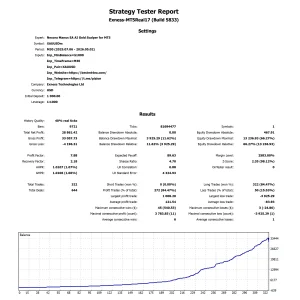
Nexora Manus XAUUSD EA: AI Gold Scalper for MT5
In stock
$0.00 $499.99Price range: $0.00 through $499.99
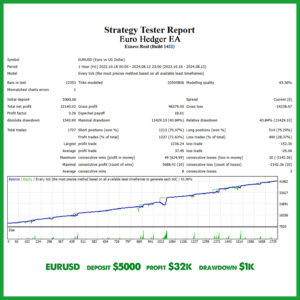
Obsidian Aether EURUSD EA: AI Grid Scalper for MT5
249 in stock
$0.00 $197.99Price range: $0.00 through $197.99
Powerful Forex VPS for MT4 & MT5 – Best Price
182 in stock
$44.99 $359.99Price range: $44.99 through $359.99

Top 2000 Trading Tools for Forex Success (EA & Indicator)
In stock
Original price was: $9,999.99.$0.00Current price is: $0.00.
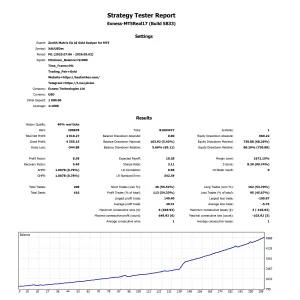
Zenith Matrix XAUUSD EA: AI Gold Scalper for MT5
In stock
$0.00 $899.99Price range: $0.00 through $899.99