
17 Powerful Insights Into the Metaverse Trading Platforms Future (Must-Read Guide)



The Powerful Future of Metaverse Trading Platforms: What Lies Ahead
The world is moving quickly toward digital-first experiences, and nowhere is this more obvious than in conversations about the metaverse trading platforms future. With virtual economies expanding and new technologies emerging every year, the metaverse is becoming a place where entertainment, business, and commerce blend into something entirely new. This article explores the future of these platforms, how they will shape global trade, and why businesses and individuals should pay attention.
Understanding the Concept of Metaverse Trading Platforms
Metaverse trading platforms allow users to interact, trade, buy, and sell digital goods inside immersive virtual worlds. These goods can range from virtual land and avatars to digital collectibles, services, or even real-world assets tokenized on blockchain networks.
Key Features Shaping Digital Commerce
Metaverse trading platforms usually offer features like:
- Decentralized ownership
- Virtual storefronts
- Peer-to-peer trading
- Secure blockchain-based transactions
These systems make digital interactions feel more real and meaningful.
How Virtual Economies Are Evolving
Virtual economies used to be simple—players buying game items or skins. Now, they resemble real financial systems with:
- Tokenized assets
- Virtual employment
- Investment opportunities
- Digital real estate with real value
This drastic evolution sets the stage for the metaverse trading platforms future.
Why the Metaverse Trading Platforms Future Matters
The future of digital commerce depends on how people engage with technology. As web users shift toward immersive experiences, businesses must transition too.
New Economic Opportunities
The metaverse opens doors to:
- Digital gig work
- Virtual storefronts
- Monetized social experiences
- Creator-led economies
People can earn real income from activities inside these virtual worlds.
Decentralization and Ownership
Unlike traditional online platforms, users in the metaverse can truly own their digital assets through blockchain technology. This ownership is secure, transferable, and transparent.
Core Technologies Driving the Metaverse
Blockchain and Smart Contracts
Blockchain ensures transparency and security. Smart contracts allow trades to happen instantly without middlemen.
Virtual Reality (VR) and Augmented Reality (AR)
VR and AR bring immersive experiences enabling users to interact realistically with virtual products, markets, and environments.
Artificial Intelligence and Automation
AI-powered bots assist with:
- Predictive analytics
- Automated trading
- Fraud detection
These systems help users navigate complex digital markets.
The Expected Growth of Metaverse Trading Ecosystems
Market Size Predictions
Analysts predict the metaverse industry may reach trillions of dollars by 2030. Trading platforms will play a major role in this growth.
Adoption Across Industries
Industries already adopting metaverse trading systems include:
- Retail
- Finance
- Real estate
- Entertainment
- Education
Metaverse Trading Platforms Future: Opportunities and Challenges
Investment Opportunities
Investors can tap into digital lands, tokens, NFTs, and virtual businesses. Early adopters may see exponential returns.
Security and Regulatory Concerns
Challenges include:
- Cybersecurity risks
- Identity theft
- Regulation between countries
Governments will eventually need standardized global rules.
How Users Will Trade in the Future Metaverse
Avatar-Based Commerce
In the future, users will shop, negotiate, and trade through lifelike avatars.
Digital Asset Tokenization
Almost anything—cars, houses, art—can be tokenized and traded in virtual marketplaces.
Role of Cryptocurrency in the Metaverse
Stablecoins, NFTs, and Utility Tokens
Cryptocurrencies power all financial exchanges in the metaverse. NFTs allow ownership of unique assets, while stablecoins provide stability.
Cross-Chain Interoperability
This ensures assets flow smoothly between different metaverse platforms.
Top Metaverse Trading Platforms Leading the Way
Decentraland and Its Marketplace
Users buy virtual land and digital goods using MANA tokens.
The Sandbox
A popular platform for creators and gamers.
Roblox and Emerging Trade Models
Roblox supports user-generated economies that will expand dramatically.
Business Impact of Metaverse Commerce
Virtual Real Estate Trade
Virtual land buying has become a major investment trend.
E-commerce Personalization
Brands now create fully interactive 3D shopping experiences inside metaverse platforms.
Future Trends Shaping Virtual Trading Spaces
AI-Powered Market Advisors
These will guide users in making smart investment decisions.
Digital Twins and Commerce Simulations
Businesses can simulate marketplaces before launching products.
Privacy, Security, and Risk Factors
User Data Protection
Platforms must prioritize encryption and privacy-first design.
Fraud Prevention in Digital Markets
Anti-fraud AI and decentralized verification systems will protect users.
FAQs About the Metaverse Trading Platforms Future
1. What are metaverse trading platforms?
These are digital spaces where users buy, sell, and trade virtual goods and services.
2. Can you earn real money in the metaverse?
Yes, users can earn income through digital real estate, NFTs, services, and more.
3. Are metaverse investments safe?
They carry risks just like traditional investments, but transparency via blockchain helps reduce fraud.
4. Will cryptocurrencies always power the metaverse?
Most likely, as crypto ensures fast, borderless, and secure transactions.
5. What industries will benefit the most?
Retail, gaming, education, finance, and entertainment.
6. Where can I learn more about metaverse technology?
A helpful resource is:
https://www.mckinsey.com (external link)
Conclusion
The metaverse trading platforms future is full of potential. As immersive technologies evolve, users will enjoy more realistic, secure, and profitable trading experiences. Businesses that embrace the metaverse early will shape the next generation of digital commerce.
Most Popular Forex EA

Onix Stratos XAUUSD EA: AI Smart Scalper for MT5
In stock
$0.00 $999.99Price range: $0.00 through $999.99
Elysium Vortex EURCAD EA: AI EURCAD Scalper for MT5
In stock
$0.00 $199.99Price range: $0.00 through $199.99
Equinox Cosmos GBPJPY EA: AI GBPJPY Scalper for MT5
In stock
$0.00 $399.99Price range: $0.00 through $399.99
Apex Quant BTCUSD EA: AI Bitcoin Scalper for MT5
In stock
$0.00 $159.99Price range: $0.00 through $159.99
Zenith Matrix XAUUSD EA: AI Gold Scalper for MT5
In stock
$0.00 $899.99Price range: $0.00 through $899.99
Nexora Manus XAUUSD EA: AI Gold Scalper for MT5
In stock
$0.00 $699.99Price range: $0.00 through $699.99
Mythos Epic XAUUSD EA: AI Gold Scalper for MT5
In stock
$0.00 $849.99Price range: $0.00 through $849.99
Obsidian Aether EURUSD EA: AI Grid Scalper for MT5
In stock
$0.00 $797.99Price range: $0.00 through $797.99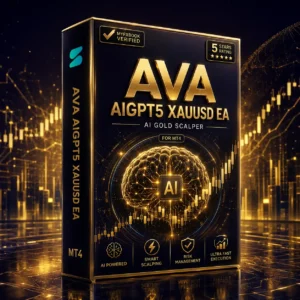
AVA AIGPT5 XAUUSD EA: AI Gold Scalper for MT4
In stock
$0.00 $679.99Price range: $0.00 through $679.99

Golden Deer Holy Grail Indicator (Lifetime Premium)
In stock
Original price was: $109.99.$87.99Current price is: $87.99.
Windows VPS for MT4 & MT5
In stock
$44.99 $359.99Price range: $44.99 through $359.99




 Gold Forex EA