
Best Forex Strategies for Beginners: 10 Proven Methods for Fast, Safe Trading Success


Understanding the Basics of Forex Trading
Forex trading can feel overwhelming at first, but with the right foundation, beginners can learn quickly and trade with confidence. The best forex strategies for beginners all start with understanding how the market operates.
What Is Forex and How Does It Work?
Forex, or the foreign exchange market, is where currencies are bought and sold. Traders profit when one currency strengthens or weakens against another. The market operates 24 hours a day, making it one of the most accessible markets for beginners.
When you trade forex, you’re speculating whether a currency pair—like EUR/USD—will rise or fall. Beginners often prefer simple strategies because they help reduce confusion, avoid emotional decisions, and increase consistency.
Key Forex Terminology Every Beginner Should Know
To trade effectively, beginners must understand basic terminology:
- Pip: The smallest unit of price movement.
- Spread: The difference between buy and sell prices.
- Leverage: Borrowed money used to increase trade size.
- Lot Size: The number of currency units traded.
These terms appear frequently in the best forex strategies for beginners, so becoming familiar with them builds confidence.
Why Beginners Need Simple, Low-Risk Strategies
Forex trading becomes much easier when strategies are simple, repeatable, and low-risk. New traders who use complicated systems often make emotional mistakes or overanalyze the market. Simple strategies:
- Reduce confusion
- Improve accuracy
- Make risk management easier
- Help traders stay consistent
These benefits form the backbone of every beginner-friendly strategy covered in this guide.
Best Forex Strategies for Beginners Explained
Below are the top strategies that offer stability, structure, and clarity—ideal for new traders.
1. Trend Following Strategy
Trend following is one of the most reliable and beginner-friendly methods.
How to Identify Trends Using Indicators
The simplest way to spot trends is using moving averages:
- If price stays above a moving average, the trend is up.
- If price stays below it, the trend is down.
Indicators like MACD or RSI help confirm trend direction so beginners avoid trading against market momentum.
Pros and Cons for Beginners
Pros:
- Easy to understand
- Works well during strong market movements
- Helps beginners avoid counter-trend mistakes
Cons:

- Not very effective in choppy markets
- Requires patience
2. Breakout Trading Strategy
Breakouts happen when price moves strongly beyond a support or resistance level.
How Breakouts Work in the Forex Market
When price breaks out of consolidation, it usually follows through with strong momentum. Beginners love this strategy because it provides:
- Clear entry points
- Predictable direction
- High potential reward
Mistakes Beginners Should Avoid
- Entering too early before confirmation
- Trading false breakouts
- Ignoring stop-loss levels
3. Moving Average Crossover Strategy
This strategy uses two simple moving averages—often a short-term and a long-term one.
Simple Moving Average (SMA) Setup
A common setup is:
- 50 SMA (long-term)
- 20 SMA (short-term)
When the short-term SMA crosses above the long-term SMA, it’s a buy signal. When it drops below, it’s a sell signal.
Practical Examples for New Traders
This strategy helps beginners avoid emotional decisions because signals are clear and rule-based.
4. Range Trading Strategy
Range trading is perfect when the market moves sideways.
Identifying Support and Resistance Levels
Support is where price tends to bounce up—resistance is where it tends to fall. Beginners can trade safely inside these zones.
Why Range Trading Works for Beginners
- Clear buy and sell zones
- Fewer market surprises
- Works even when no strong trend is present
5. Price Action Strategy
Price action focuses on candlesticks and chart patterns rather than indicators.
Reading Candlestick Patterns
Popular beginner patterns include:
- Pin bars
- Dojis
- Engulfing candles
These patterns reveal market sentiment and predict future movements.
When Price Action Gives the Best Results
Price action works best in trending markets or at key support/resistance levels where reversals often happen.
Risk Management for the Best Forex Strategies for Beginners
Even the best strategy fails without solid risk control.
Setting Stop-Loss & Take-Profit Levels
Beginners should always use stop-loss orders to limit risk. Ideal methods include:
- Setting stops below support for buys
- Setting stops above resistance for sells
Position Sizing for New Traders
Risking 1–2% of account balance per trade is a safe standard for beginners.
Managing Emotions During Trading
Fear and greed are the biggest threats to new traders. Strategies with clear rules reduce emotional decision-making significantly.
Tools & Indicators That Support Beginner Strategies
RSI and MACD Indicators
These tools help confirm:

Powerful Forex VPS for MT4 & MT5 – Best Price
182 in stock
$44.99 $359.99Price range: $44.99 through $359.99| Validity | Monthly, Quarterly, Semi Annually, Annually |
|---|
- Overbought/oversold conditions
- Trend strength
- Reversal points
Using Trading Platforms Effectively
Beginners should practice on demo accounts before trading real money. Platforms like MT4 and TradingView offer free tools and charts.
Common Mistakes Beginners Make in Forex Trading
Overtrading and Emotional Trading
Beginners often take too many trades, leading to unnecessary losses.
Relying Too Much on High-Leverage
High leverage amplifies losses and is dangerous for inexperienced traders.
FAQs About the Best Forex Strategies for Beginners
1. What is the safest forex strategy for beginners?
Trend following is generally the safest because it follows market momentum.
2. How much money do I need to start forex trading?
Many brokers allow starting with as little as $50–$100.
3. What timeframes are best for beginners?
The 1-hour and 4-hour charts provide clearer signals.
4. Do forex strategies really work?
Yes, when combined with good risk management and discipline.
5. Should beginners trade with indicators or price action?
Both work well—most beginners start with indicators for simplicity.
6. Where can I learn forex trading for free?
Websites like Investopedia offer excellent beginner lessons: https://www.investopedia.com
Conclusion
The best forex strategies for beginners focus on simplicity, low risk, and clarity. By mastering trend following, breakout trading, price action, and risk management, new traders can build confidence and trade successfully. With patience and practice, beginners can transform these strategies into long-term trading skills.


Most Popular Forex EA

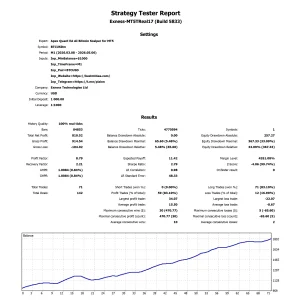
Apex Quant BTCUSD EA: AI Bitcoin Scalper for MT5
In stock
$0.00 $159.99Price range: $0.00 through $159.99

AVA AIGPT5 XAUUSD EA: AI Gold Scalper for MT4
In stock
$0.00 $679.99Price range: $0.00 through $679.99
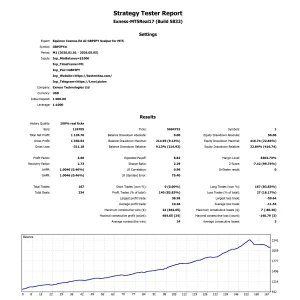
Elysium Vortex EURCAD EA: AI EURCAD Scalper for MT5
In stock
$0.00 $199.99Price range: $0.00 through $199.99
Equinox Cosmos GBPJPY EA: AI GBPJPY Scalper for MT5
In stock
$0.00 $199.99Price range: $0.00 through $199.99


Golden Deer Holy Grail Indicator (Lifetime Premium)
324 in stock
Original price was: $1,861.99.$187.99Current price is: $187.99.
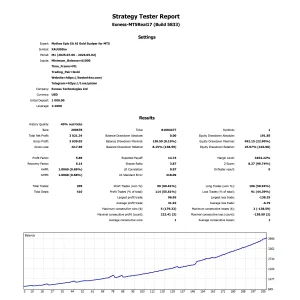
Mythos Epic XAUUSD EA: AI Gold Scalper for MT5
In stock
$0.00 $849.99Price range: $0.00 through $849.99
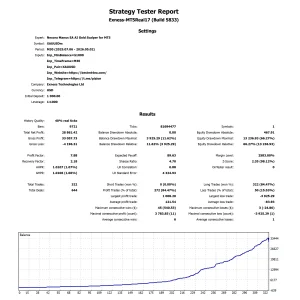
Nexora Manus XAUUSD EA: AI Gold Scalper for MT5
In stock
$0.00 $699.99Price range: $0.00 through $699.99
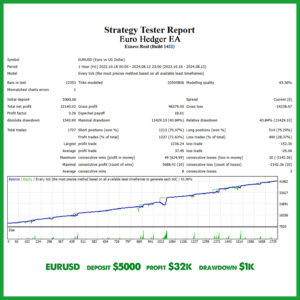
Obsidian Aether EURUSD EA: AI Grid Scalper for MT5
47 in stock
$0.00 $797.99Price range: $0.00 through $797.99
Onix Stratos XAUUSD EA: AI Smart Scalper for MT5
In stock
$349.00 $999.00Price range: $349.00 through $999.00
Powerful Forex VPS for MT4 & MT5 – Best Price
182 in stock
$44.99 $359.99Price range: $44.99 through $359.99

Top 2000 Trading Tools for Forex Success (EA & Indicator)
In stock
Original price was: $99.99.$0.00Current price is: $0.00.
 Gold Forex EA