
Blockchain in Forex: 10 Ways It Improves Trading Transparency



Understanding Blockchain in Forex Transparency
When we talk about blockchain in forex transparency, we’re really talking about reshaping one of the world’s largest and most complex financial markets. The foreign exchange market is massive—trillions of dollars move every single day—but it has long struggled with opacity, slow settlements, and hidden costs. Blockchain offers a fresh solution that brings clarity and accountability to the forefront.
What Is Blockchain and Why It Matters in Forex
Blockchain is a distributed digital ledger where every transaction is recorded in a permanent, tamper-proof chain. Unlike traditional banking systems that rely on central authorities, blockchain runs on decentralized networks. This structure boosts transparency and makes it nearly impossible to manipulate records.
In forex trading, where accuracy and speed are crucial, these benefits improve reliability and reduce disputes.
Key Transparency Gaps in Traditional Forex Markets
Traditional forex systems often suffer from:
- Delayed reporting
- Hidden markups
- Lack of unified audit trails
- Dependence on intermediaries
Blockchain directly targets these weaknesses by offering a transparent and real-time environment where every action can be verified.
How Blockchain Improves Forex Transparency
Immutable Record-Keeping for All Transactions
Every forex trade executed on a blockchain is recorded permanently. An immutable ledger means traders can trust the data without fearing manipulation or data loss.
Real-Time Verification of Currency Trades
Blockchain updates instantly across the network. This eliminates the delays usually seen in traditional forex systems and reduces settlement risks.
Eliminating Hidden Fees and Middlemen
Because blockchain enables peer-to-peer trading, intermediaries become optional. With fewer middlemen involved, traders gain clarity on pricing and fee structures.
Enhancing Auditability and Regulatory Oversight
Regulators can access transparent, real-time trading data. This improves monitoring and reduces illegal activities like price manipulation and wash trading.
The Role of Smart Contracts in Forex
Smart contracts, or self-executing code on the blockchain, automate and guarantee trade rules.
Automating Trade Execution
Trades complete instantly once conditions are met—no delays, no manual approvals.
Reducing Settlement Risks
Instant settlement eliminates the risk of counterparties defaulting.
Preventing Price Manipulation
Because smart contracts operate on coded rules, they reduce human involvement and help avoid price tampering or data distortion.
Benefits of Blockchain in Forex Transparency for Traders
Increased Trust and Reduced Fraud
A transparent ledger reduces scams and ensures parties see accurate and identical information.
Faster Cross-Border Payments
Blockchain cuts settlement times from days to minutes, especially for international transactions.
Improved Price Discovery
Real-time data from decentralized exchanges creates fairer and more efficient pricing.
Challenges Facing Blockchain Adoption in Forex
Regulatory Uncertainty
Financial regulators are still debating how blockchain-based forex platforms should be governed.
Integration With Legacy Systems
Banks and brokers depend on decades-old systems; migrating to blockchain requires time and investment.
Scalability and Cost Concerns
High transaction volumes in forex demand fast and scalable blockchain solutions, which remain a work in progress.
Real-World Applications of Blockchain in Forex
Decentralized Liquidity Pools
These pools allow traders to swap currencies without a centralized exchange.
On-Chain FX Trading Platforms
Platforms like Uniswap FX and other DeFi protocols already enable crypto-to-crypto FX-style trades.
Central Bank Digital Currencies (CBDCs)
Governments worldwide are experimenting with digital currencies, which could drastically increase forex clarity and traceability.
(Learn more from the BIS: https://www.bis.org/)
Future of Blockchain in Forex Transparency
AI + Blockchain for Risk Management
AI can analyze blockchain data to detect fraud patterns and optimize trading strategies.
Global Standardization of Trade Data
Unified blockchain standards could make forex operations seamless across countries.

The Rise of Transparent Forex Ecosystems
As adoption grows, opaque trading systems may become obsolete, creating a more equitable global market.
FAQs About Blockchain in Forex Transparency
1. How does blockchain improve forex transparency?
By recording every transaction on an immutable ledger, blockchain eliminates unclear pricing and slow reporting.
2. Can blockchain prevent forex fraud?
Yes. Transparency and real-time monitoring reduce opportunities for manipulation.
3. Do traders need special tools to use blockchain-based forex systems?
Most platforms operate through user-friendly interfaces, similar to trading apps.
4. Will blockchain replace traditional forex brokers?
Not completely, but it may reduce their role as more processes become automated.
5. Are blockchain forex transactions faster?
Absolutely. Settlement times can drop from two days to a few seconds.
6. Is blockchain safe for large forex transactions?
Yes. Its decentralized structure enhances security and prevents tampering.
Conclusion
The rise of blockchain in forex transparency marks a turning point in global currency trading. By providing immutable records, real-time verification, and reduced reliance on intermediaries, blockchain creates a fairer and more trustworthy market environment. While challenges remain—especially around regulation and infrastructure—the future looks bright. As adoption increases, forex systems will likely become faster, safer, and more transparent than ever.
Most Popular Forex EA
Onix Stratos XAUUSD EA: AI Smart Scalper for MT5
In stock
$0.00 $999.99Price range: $0.00 through $999.99
Elysium Vortex EURCAD EA: AI EURCAD Scalper for MT5
In stock
$0.00 $199.99Price range: $0.00 through $199.99
Equinox Cosmos GBPJPY EA: AI GBPJPY Scalper for MT5
In stock
$0.00 $399.99Price range: $0.00 through $399.99
Apex Quant BTCUSD EA: AI Bitcoin Scalper for MT5
In stock
$0.00 $159.99Price range: $0.00 through $159.99
Zenith Matrix XAUUSD EA: AI Gold Scalper for MT5
In stock
$0.00 $899.99Price range: $0.00 through $899.99
Nexora Manus XAUUSD EA: AI Gold Scalper for MT5
In stock
$0.00 $699.99Price range: $0.00 through $699.99
Mythos Epic XAUUSD EA: AI Gold Scalper for MT5
In stock
$0.00 $849.99Price range: $0.00 through $849.99
Obsidian Aether EURUSD EA: AI Grid Scalper for MT5
In stock
$0.00 $797.99Price range: $0.00 through $797.99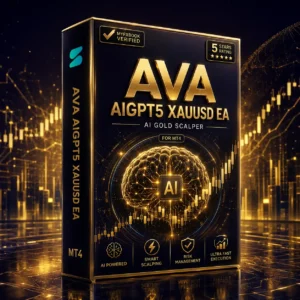
AVA AIGPT5 XAUUSD EA: AI Gold Scalper for MT4
In stock
$0.00 $679.99Price range: $0.00 through $679.99

Golden Deer Holy Grail Indicator (Lifetime Premium)
In stock
Original price was: $109.99.$87.99Current price is: $87.99.
Powerful Forex VPS for MT4 & MT5 – Best Price
In stock
$44.99 $359.99Price range: $44.99 through $359.99



 Gold Forex EA