
Forex Holiday Trading: Liquidity & Volatility Impact



Introduction to Forex Market and Holiday Trading
The foreign exchange (Forex) market is the world’s largest and most liquid financial market, with an average daily trading volume exceeding $7 trillion. Traders, institutions, and governments operate around the clock, spanning multiple time zones. Yet, even a market as vast as Forex isn’t immune to the effects of holidays.
Holiday trading impact on forex markets refers to the unique changes in market behavior caused by reduced participation during public holidays, both regional and global. Liquidity drops, spreads widen, and volatility can increase unpredictably, making these periods particularly challenging for traders. Understanding these dynamics is crucial to protecting capital and seizing opportunities.
Overview of Forex Market Operations
Forex operates 24 hours a day, five days a week, divided into four major trading sessions: Sydney, Tokyo, London, and New York. Each session has distinct characteristics influenced by regional economic activity, institutional participation, and global news.
Holidays disrupt this rhythm. For instance, when the New York session is on holiday for Thanksgiving, major U.S. banks and institutional traders step back, significantly impacting USD liquidity. This creates thinner markets and potential gaps when the market reopens.
What Constitutes a Holiday in Forex Trading?
Holidays in Forex markets can be national, regional, or global. Some common examples include:
- National holidays: Independence Day (U.S.), Bastille Day (France), Golden Week (Japan)
- Religious holidays: Christmas, Eid, Diwali
- Global holidays affecting financial institutions: New Year, Good Friday
These days often result in lower trading volumes, affecting currency pairs linked to the countries observing the holiday.

How Holidays Affect Forex Market Liquidity
Reduced Trading Volume and Its Consequences
During holidays, many market participants take time off, leading to lower trading volumes. Reduced liquidity can make it harder to execute large trades without influencing price, resulting in more volatile price movements.
Increased Spreads and Slippage Risks
Liquidity shortages often cause bid-ask spreads to widen, increasing trading costs. Stop-loss and limit orders are more prone to slippage, which can either work against or favor traders, depending on market direction.
Influence on Major vs. Minor Currency Pairs
Major pairs like EUR/USD or GBP/USD typically remain more liquid than exotic or minor pairs during holidays. Traders often prefer major pairs to mitigate risk during thin market periods. Conversely, exotic pairs can experience dramatic swings and extreme spreads.
Volatility Patterns During Holiday Periods
Case Studies: Christmas, New Year, and Other Major Holidays
Historical data shows that holidays like Christmas and New Year often bring low-volume trading but occasional sharp price spikes. For example, the USD/JPY pair can experience sudden movement in the hours leading up to New Year due to positioning by institutional traders closing books for year-end.
Unexpected Market Gaps After Holidays
Markets sometimes reopen after holidays with gaps, where the opening price significantly differs from the previous close. This occurs when geopolitical events or economic data emerge during the holiday, catching thin markets unprepared.
Strategies for Trading Around Holidays
Risk Management Techniques
Proper risk management is critical. Traders should consider reducing position sizes, widening stop-loss levels, and avoiding high-leverage trades during low-liquidity periods.
Timing Your Trades: Pre-Holiday vs. Post-Holiday
Trading before holidays can be risky due to speculative positioning. Post-holiday trading often experiences gaps or volatility spikes. Planning trades around these windows helps minimize risk.
Avoiding Illiquid Currency Pairs
Exotic pairs are particularly vulnerable to liquidity shortages. Focus on major or highly traded pairs during holidays to reduce exposure to extreme price movements.
Role of Global Economic Events During Holidays
Central Bank Announcements and Holidays
Even during holidays, central banks may release statements or reports. Markets can react strongly, particularly in thinly traded sessions, amplifying the holiday trading impact on forex markets.

Geopolitical Events Impacting Liquidity
Unexpected geopolitical events—like elections, sanctions, or military developments—can create sharp volatility during holidays. Traders must monitor news and economic calendars closely.
Historical Trends and Statistical Insights
Average Volatility During Holiday Weeks
Data indicates that average volatility may increase for certain currency pairs during thin-market periods. For example, USD/JPY and EUR/USD have historically shown higher price swings during Christmas week despite lower volume.
Currency-Specific Behavior Patterns
Some currencies, like the Japanese Yen, often behave defensively during holidays due to risk-off sentiment, while commodity-linked currencies like AUD and CAD may fluctuate based on global commodity news.
Technology and Automated Trading in Low-Liquidity Periods
Pros and Cons of Algorithmic Trading During Holidays
Automated trading systems can help exploit gaps and minor price fluctuations. However, algorithms relying on volume-based indicators may produce false signals in thin markets.
How Stop-Loss Orders Behave in Thin Markets
Stop-loss triggers may execute at worse prices during holidays due to low liquidity and wider spreads, emphasizing the need for careful order placement.
Common Mistakes Traders Make During Holiday Periods
Overleveraging in Low-Liquidity Markets
High leverage magnifies risks, especially during thin market periods, potentially leading to substantial losses if unexpected volatility occurs.
Ignoring Wider Spreads and Price Gaps
Traders sometimes underestimate costs associated with spread widening or fail to anticipate market gaps, which can erode profits or cause losses.
Expert Tips to Minimize Risks During Holidays
Monitoring Global Market Calendars
Knowing which markets are closed can help traders anticipate liquidity shortages and plan trades effectively.
Diversification Across Currencies
Trading multiple currency pairs can offset risks associated with thin liquidity in a single market.

Keeping Abreast of Market News
Even during holidays, staying updated with economic indicators or geopolitical developments is crucial for risk management.
Frequently Asked Questions (FAQs)
Q1: What is the safest currency to trade during holidays?
A: Major currencies like USD, EUR, and JPY are generally safer due to higher liquidity.
Q2: How much does liquidity drop during holidays?
A: Liquidity can drop by 30-50% during major holidays, depending on the region and currency pair.
Q3: Are spreads always higher during holidays?
A: Typically, yes. Reduced participation causes bid-ask spreads to widen, especially for minor and exotic pairs.
Q4: Can algorithmic trading succeed during holiday periods?
A: Yes, but algorithms must account for low liquidity and wider spreads to avoid false signals.
Q5: Should beginner traders avoid trading on holidays?
A: Generally, yes. Low-volume markets increase risk, making it better for beginners to wait until normal trading resumes.
Q6: How do major economic announcements affect holiday trading?
A: Unexpected announcements can trigger sharp price moves, often amplified by low liquidity, leading to gaps or high volatility.
Conclusion: Navigating Forex Markets During Holiday Periods
The holiday trading impact on forex markets is significant, affecting liquidity, spreads, and volatility. While opportunities exist, the risks are higher during low-volume periods. By understanding market behavior, employing sound risk management strategies, and monitoring global economic events, traders can navigate holiday trading effectively and minimize potential losses.
Most Popular Forex EA

Onix Stratos XAUUSD EA: AI Smart Scalper for MT5
In stock
$0.00 $999.99Price range: $0.00 through $999.99
Elysium Vortex EURCAD EA: AI EURCAD Scalper for MT5
In stock
$0.00 $199.99Price range: $0.00 through $199.99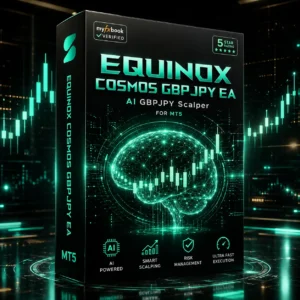
Equinox Cosmos GBPJPY EA: AI GBPJPY Scalper for MT5
In stock
$0.00 $399.99Price range: $0.00 through $399.99
Apex Quant BTCUSD EA: AI Bitcoin Scalper for MT5
In stock
$0.00 $159.99Price range: $0.00 through $159.99
Zenith Matrix XAUUSD EA: AI Gold Scalper for MT5
In stock
$0.00 $899.99Price range: $0.00 through $899.99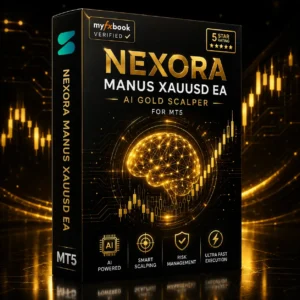
Nexora Manus XAUUSD EA: AI Gold Scalper for MT5
In stock
$0.00 $699.99Price range: $0.00 through $699.99
Mythos Epic XAUUSD EA: AI Gold Scalper for MT5
In stock
$0.00 $849.99Price range: $0.00 through $849.99
Obsidian Aether EURUSD EA: AI Grid Scalper for MT5
In stock
$0.00 $797.99Price range: $0.00 through $797.99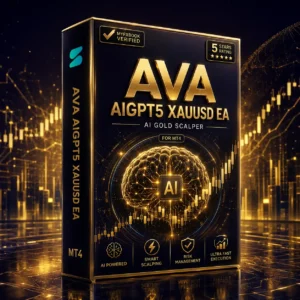
AVA AIGPT5 XAUUSD EA: AI Gold Scalper for MT4
In stock
$0.00 $679.99Price range: $0.00 through $679.99

Golden Deer Holy Grail Indicator (Lifetime Premium)
In stock
Original price was: $109.99.$87.99Current price is: $87.99.
Windows VPS for MT4 & MT5
In stock
$44.99 $359.99Price range: $44.99 through $359.99



 Gold Forex EA