
Forex Trading Tips for Beginners: 5 Essential Rules


Top 5 Forex Trading Tips for New Investors: The Ultimate Expert Guide
Getting started in forex trading can feel like stepping into a fast-moving world filled with charts, candles, and currency pairs. But don’t worry—this guide breaks everything down into simple, beginner-friendly steps. In the first 10% of this content, you’ll begin learning the top 5 forex trading tips for new investors, which will help you build confidence, avoid costly mistakes, and make smarter decisions.
Forex is one of the largest and most liquid markets globally, offering exciting opportunities for new investors. Still, without the right knowledge, beginners often fall into traps that could have been easily avoided. This guide brings you practical advice, expert insights, and time-tested strategies to help you get started the right way.
Introduction to Forex Trading for Beginners
Forex trading involves buying and selling currency pairs such as EUR/USD or GBP/JPY. The goal is simple: profit from changes in exchange rates. But while the idea is straightforward, the execution takes practice, planning, and discipline.
For beginners, this market can feel overwhelming. The charts move fast, economic events change trends instantly, and emotions can cloud judgment. That’s exactly why following proven tips makes the learning curve much smoother.
Understanding the Importance of Forex Trading Tips
Thousands of beginners jump into forex every year, but many quit early because they lack structure. Following the top 5 forex trading tips for new investors gives you a roadmap, helping you build habits that successful traders rely on daily.
These tips help you:
- Minimize losses
- Learn strategic decision-making
- Recognize market patterns
- Avoid emotional trading
- Build confidence gradually
By applying the tips below, you’ll be far ahead of the average beginner.
Tip #1: Start With a Solid Forex Trading Plan
A trading plan is your personal guide to how you’ll navigate the market. It defines your goals, limits, and trading approach.
Why New Investors Need a Trading Plan
Without a plan, traders often act impulsively. The excitement of quick profits can make beginners trade too often, risking more than they should. A plan introduces structure, helping you stay disciplined even when the market gets unpredictable.
Elements of a Good Forex Trading Plan
Your plan should include:
Risk Limits
Decide how much of your account you’re willing to risk per trade. Many experts recommend staying under 1–2%.
Entry and Exit Criteria
Plan when you will open and close trades, based on chart patterns, indicators, or economic news.

Capital Allocation
Avoid placing all your money in one trade. Instead, spread your investments out and protect your account from major losses.
A well-designed trading plan serves as your roadmap, reducing emotional decisions and increasing your chances of long-term success.
Tip #2: Manage Your Risk Like a Professional
Great traders aren’t just skilled—they’re disciplined. They understand that protecting capital is more important than chasing profits.
What Proper Risk Management Looks Like
- Always use a stop-loss
- Avoid oversized trades
- Understand leverage and use it carefully
- Keep a balanced risk-to-reward ratio
Even the best strategies fail occasionally. Risk management ensures these failures don’t wipe out your progress.
Common Mistakes New Investors Make
New traders often:
- Risk too much for small rewards
- Trade without stop-losses
- Add money to losing trades
- Overtrade when excited
Avoiding these beginner mistakes can dramatically increase your chances of success.
Tip #3: Choose the Right Forex Broker
Your broker plays a huge role in your trading experience. Picking the wrong one can lead to slow withdrawals, unfair spreads, or poor customer support.
Factors to Consider When Selecting a Broker
- Regulation by a trusted authority
- Competitive spreads
- Fast execution speed
- User-friendly trading platform
- Reliable customer service
Why Broker Selection Influences Profitability
Spreads, fees, and execution delays can eat into your profits. A good broker ensures your trades occur smoothly and fairly.
For a deeper understanding, beginners can explore reputable educational sites such as Investopedia: https://www.investopedia.com (external link).
Tip #4: Master One Trading Strategy Before Trying Others
Many beginners jump from one strategy to another, hoping to find “the perfect one.” But mastering one strategy is often more effective.
Popular Beginner-Friendly Forex Strategies
- Trend following
- Breakout trading
- Support and resistance trading
- Moving average crossover strategy
Each strategy has strengths and weaknesses. The key is consistency.
How to Test and Improve Your Strategy
Use a demo account to practice. Track your results in a trading journal. Look for patterns—what works and what doesn’t. Over time, this process turns inexperienced traders into confident ones.
Tip #5: Learn to Control Your Emotions While Trading
Trading psychology is a major factor in success. Even good strategies fail when emotions take over.
The Role of Psychology in Forex
Your mindset influences how you enter, exit, and manage trades. Fear and greed are the biggest challenges.
Emotional Traps New Investors Fall Into
- Revenge trading
- Overtrading after a win
- Panic selling
- Hesitating on good trade setups
By recognizing these traps early, you can protect your progress and trade calmly.
Top Tools and Resources for New Forex Investors
Here are some helpful tools:
- Forex calculators
- Economic calendars
- Trading platforms like MetaTrader 4/5
- Charting tools like TradingView
- Beginner trading books and online courses
Tools enhance your skills and help you make informed decisions.

Powerful Forex VPS for MT4 & MT5 – Best Price
182 in stock
$44.99 $359.99Price range: $44.99 through $359.99| Validity | Monthly, Quarterly, Semi Annually, Annually |
|---|
Common Mistakes Beginners Should Avoid in Forex Trading
- Trading without a plan
- Ignoring risk management
- Expecting quick profits
- Not keeping a trading journal
- Following random social media advice
Avoiding these mistakes will accelerate your learning and protect your capital.
Frequently Asked Questions (FAQs)
1. How much money do I need to start forex trading?
You can begin with as little as $50–$100, but larger amounts offer more flexibility and better risk management.
2. Is forex trading risky for new investors?
Yes, but the risk can be managed with proper planning, education, and discipline.
3. Do I need experience to start trading forex?
No, beginners can start with demo accounts and learn gradually.
4. How long does it take to learn forex trading?
Most new investors take 3–12 months to gain solid understanding and consistency.
5. Can I trade forex on my phone?
Absolutely. Most brokers offer mobile apps with full trading capabilities.
6. What’s the biggest mistake new forex traders make?
Overtrading and failing to manage risk properly.
Conclusion
The top 5 forex trading tips for new investors are more than simple suggestions—they’re the foundation of long-term trading success. By building a trading plan, managing risk, choosing a good broker, mastering one strategy, and controlling emotions, beginners can trade confidently and avoid common pitfalls.
With patience and consistency, forex trading can become a rewarding journey. Stick to the basics, keep learning, and stay disciplined—you’re already on the right path


Most Popular Forex EA

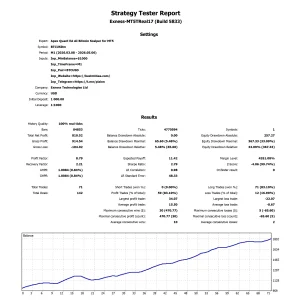
Apex Quant BTCUSD EA: AI Bitcoin Scalper for MT5
In stock
$0.00 $159.99Price range: $0.00 through $159.99

AVA AIGPT5 XAUUSD EA: AI Gold Scalper for MT4
In stock
$0.00 $679.99Price range: $0.00 through $679.99
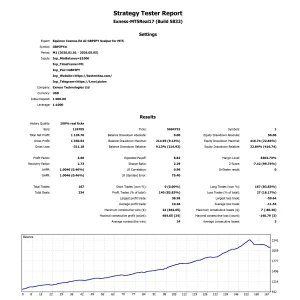
Elysium Vortex EURCAD EA: AI EURCAD Scalper for MT5
In stock
$0.00 $199.99Price range: $0.00 through $199.99
Equinox Cosmos GBPJPY EA: AI GBPJPY Scalper for MT5
In stock
$0.00 $199.99Price range: $0.00 through $199.99


Golden Deer Holy Grail Indicator (Lifetime Premium)
324 in stock
Original price was: $1,861.99.$187.99Current price is: $187.99.
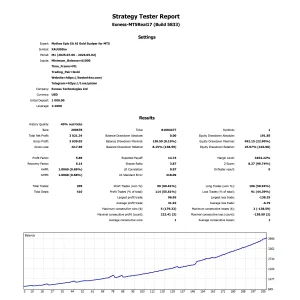
Mythos Epic XAUUSD EA: AI Gold Scalper for MT5
In stock
$0.00 $849.99Price range: $0.00 through $849.99
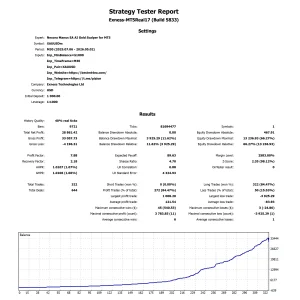
Nexora Manus XAUUSD EA: AI Gold Scalper for MT5
In stock
$0.00 $699.99Price range: $0.00 through $699.99
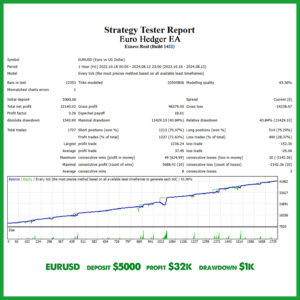
Obsidian Aether EURUSD EA: AI Grid Scalper for MT5
47 in stock
$0.00 $797.99Price range: $0.00 through $797.99
Onix Stratos XAUUSD EA: AI Smart Scalper for MT5
In stock
$349.00 $999.00Price range: $349.00 through $999.00
Powerful Forex VPS for MT4 & MT5 – Best Price
182 in stock
$44.99 $359.99Price range: $44.99 through $359.99

Top 2000 Trading Tools for Forex Success (EA & Indicator)
In stock
Original price was: $99.99.$0.00Current price is: $0.00.
 Gold Forex EA