
Understanding Bid and Ask Prices in Forex Trading: 10 Powerful Insights for Better Market Decisions


Introduction to Understanding Bid and Ask Prices in Forex Trading
Understanding bid and ask prices in forex trading is one of the first steps toward becoming a confident and informed trader. These two simple values appear on every trading chart and platform, yet they influence nearly every decision you make. Whether you’re opening a position, analyzing trends, or calculating potential profits, bid and ask prices reveal how the market values a currency pair at any moment.
In the forex market—where over $7.5 trillion is traded daily—prices shift quickly. Traders need to recognize how these changes affect entries, exits, and overall costs. That’s where understanding bid and ask prices in forex trading becomes crucial. When you grasp the relationship between these prices, you can avoid unnecessary losses, reduce fees, and make better trading decisions.
How Bid and Ask Prices Work in Real-Time Trading
What Are Bid and Ask Prices?
The bid price represents the highest price a buyer in the market is willing to pay for a currency pair.
The ask price (sometimes called the “offer price”) is the lowest price a seller is willing to accept.
The difference between them is known as the spread.
Example:
EUR/USD — Bid: 1.1000 | Ask: 1.1003
Spread: 3 pips
Why Bid and Ask Prices Matter in the Forex Market
Bid and ask prices shape your potential entry and exit points. You buy at the ask and sell at the bid, meaning the spread becomes a built-in trading cost. The narrower the spread, the cheaper it is to trade.
The Spread: Connecting Bid and Ask Prices in Forex Trading
Types of Spreads: Fixed vs Floating
- Fixed spreads remain unchanged, even in volatile conditions.
- Floating spreads widen or tighten based on supply and demand.
Factors That Affect Spread Size
Spreads increase when:
- Liquidity decreases
- Volatility spikes
- Major economic news is released
Spreads decrease during:

- Active market sessions
- High-liquidity periods
How to Read Bid and Ask Quotes Correctly
Decimal Pricing, Pips, and Pipettes
Most currency pairs are quoted using five decimal places, where:
- The fourth decimal = pip
- The fifth decimal = pipette
Understanding these values helps you measure movement and calculate profits.
Practical Examples of Bid/Ask Movements
If EUR/USD moves from
Bid: 1.1000 → 1.1010
Ask: 1.1003 → 1.1013
You can see a clear 10-pip movement.
Order Execution and Its Relationship to Bid and Ask Prices
How Buy and Sell Orders Are Filled
- Buy orders fill at ask.
- Sell orders fill at bid.
This means your trade opens at a slight disadvantage equal to the spread.
Slippage and Requotes Explained
- Slippage happens when fast markets cause your order to fill at a worse price.
- Requotes occur when brokers cannot fill orders at your requested price.
Strategies for Using Bid and Ask Prices in Forex Trading
Scalping Strategies
Scalpers rely heavily on tight spreads. Even a 1-pip difference can impact profits.
Swing Trading Strategies
Swing traders focus more on overall trend direction, but spreads still affect long-term profitability.
Common Mistakes When Understanding Bid and Ask Prices in Forex Trading
Misinterpreting Price Movements
Some traders assume the chart price is the price they will receive. In reality, execution always depends on bid or ask.
Ignoring Spread Costs
Failing to track spreads leads to:
- Lower profits
- Unexpected losses
- Poor risk management
Tools That Help Traders Monitor Bid and Ask Prices
Trading Platforms and Indicators
Platforms like MetaTrader, TradingView, and cTrader allow you to view live bid/ask lines.
Real-Time Data Feeds
Professional traders use premium data feeds for faster, more accurate pricing.
Example external link: https://www.investopedia.com/terms/b/bid-and-ask.asp
Frequently Asked Questions (FAQs)
1. What is the meaning of bid and ask in forex?
The bid is the price buyers will pay, and the ask is the price sellers request.

Powerful Forex VPS for MT4 & MT5 – Best Price
In stock
$44.99 $359.99Price range: $44.99 through $359.99| Validity | Monthly, Quarterly, Semi Annually, Annually |
|---|
2. Why is the ask price always higher?
The difference (spread) compensates brokers and liquidity providers.
3. How does the spread affect my profit?
A wider spread increases your trading cost.
4. Are spreads the same for all brokers?
No. They vary based on liquidity, broker type, and market conditions.
5. Do bid and ask prices change during news events?
Yes — spreads often widen during volatile announcements.
6. Can you trade forex without paying spreads?
Some brokers offer zero-spread accounts but charge higher commissions.
Conclusion
Understanding bid and ask prices in forex trading helps you make smarter decisions, reduce unnecessary costs, and improve your overall strategy. Once you master how spreads work and how prices move, you’ll be able to approach the forex market with more confidence and precision.


Most Popular Forex EA
Apex Quant BTCUSD EA: AI Bitcoin Scalper for MT5
In stock
$0.00 $159.99Price range: $0.00 through $159.99

AVA AIGPT5 XAUUSD EA: AI Gold Scalper for MT4
In stock
$0.00 $679.99Price range: $0.00 through $679.99
Elysium Vortex EURCAD EA: AI EURCAD Scalper for MT5
In stock
$0.00 $199.99Price range: $0.00 through $199.99
Equinox Cosmos GBPJPY EA: AI GBPJPY Scalper for MT5
In stock
$0.00 $399.99Price range: $0.00 through $399.99




Golden Deer Holy Grail Indicator (Lifetime Premium)
In stock
Original price was: $109.99.$87.99Current price is: $87.99.
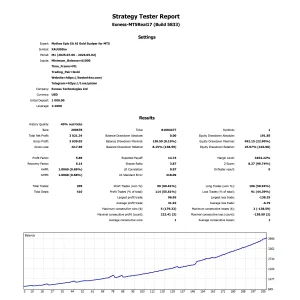
Mythos Epic XAUUSD EA: AI Gold Scalper for MT5
In stock
$0.00 $849.99Price range: $0.00 through $849.99
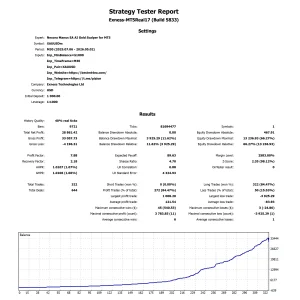
Nexora Manus XAUUSD EA: AI Gold Scalper for MT5
In stock
$0.00 $699.99Price range: $0.00 through $699.99
Obsidian Aether EURUSD EA: AI Grid Scalper for MT5
In stock
$0.00 $797.99Price range: $0.00 through $797.99
Onix Stratos XAUUSD EA: AI Smart Scalper for MT5
In stock
$0.00 $999.99Price range: $0.00 through $999.99
Powerful Forex VPS for MT4 & MT5 – Best Price
In stock
$44.99 $359.99Price range: $44.99 through $359.99
 Gold Forex EA